
Introduction
Elsewhere on this website can be found Ruth’s autobiography It is filled with information about Ruth’s life but in an idiosyncratic order. This section is intended to provide a linearly arranged narrative of Ruth’s life, from birth on Galiano Island to her death at Madrona Farm in Saanich 92 years later.
Personal Note
I (Derek Chambers) am writing this in 2024/25 using a richly variegated collection of record sources: Mum’s own autobiography, records from Withington Girls’ School, masses of photographs taken and kept by her father Max during Ruth’s earliest years, Google, random bits, facts gleaned from Ancestry.com data sources, pieces of memorabilia Ruth kept in a wooden trunk (e.g.her beloved first toy) and Ruth’s fifty or so annual diaries. The latter I promised her, on her deathbed, that I would destroy but which I find myself unable to because not only do they record important events in my childhood and that of my siblings, they also provide me with valuable insights into the richness of her life even amidst our poverty while I, oblivious, was growing up. There is very little in the way of personal information or secrets and of those I have respected her privacy. I loved my mother and still miss her all these years after her death. For this character flaw demonstrated by my failure to carry out her wishes, I apologize unreservedly and record my failing here for all to see.
Beginnings
In early 1907, Max Enke purchased a number of adjoining farms on Galiano Island, one of British Columbia’s Gulf Islands, an archipelago in the Gulf of Georgia between Vancouver and Victoria. It is unclear as to how Max chose Galiano Island as the place to buy and settle on, but his soon to be brother-in-law Arnold Lejeune, who had come out to work in BC the year before, may have had some influence.

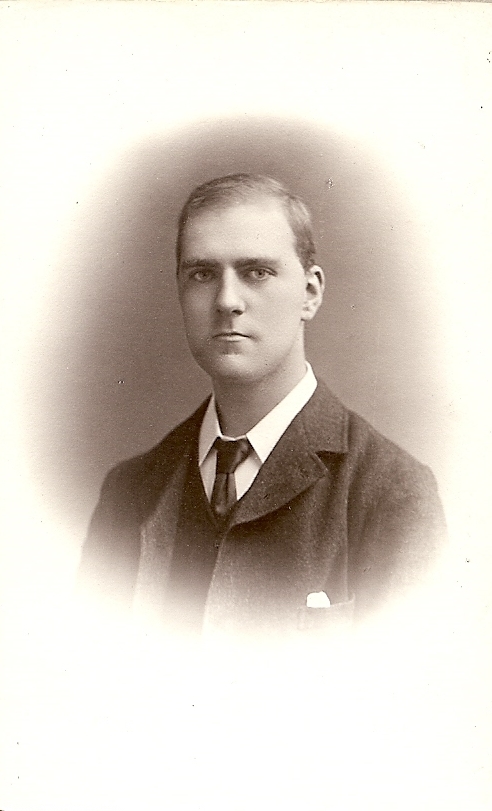
In October, 1907 Max travelled to Quebec City, there to meet up with Marion Lejeune who, accompanied by her mother Jane Louisa Lejeune, had travelled to Quebec City from Southampton. Max and Marion were married at the Anglican Cathedral and then travelled by train and boat to Galiano Island where they established their home at Valley Farm.
In 1908 they were visited there by Paula and Ady Enke, Max’s older twin sisters who had traveled from Eeclo in Belgium where the Enke family now lived, having moved from Manchester.
Perhaps to ease Louisa’s pain at the death of her father, Dr. Alexander Maclaren, in the early summer of 1910, Marion informed her mother that she was pregnant and expecting a child in December. As a result, in November of that year, Louisa Lejeune travelled from Manchester to Galiano Island to be present at the birth of her daughter’s first child and her first grandchild. Also on Galiano at the time were Max’s twin sisters, Paula and Ady.
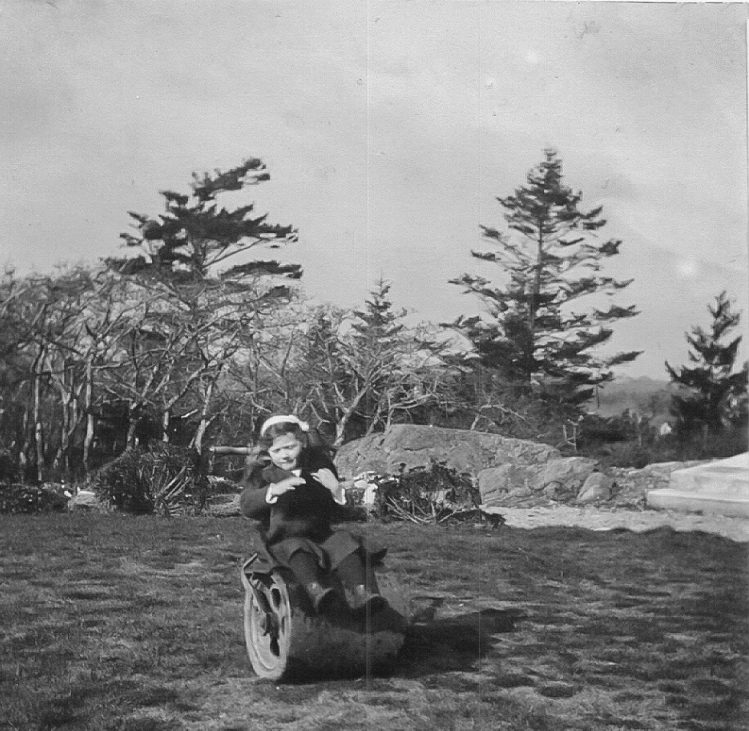
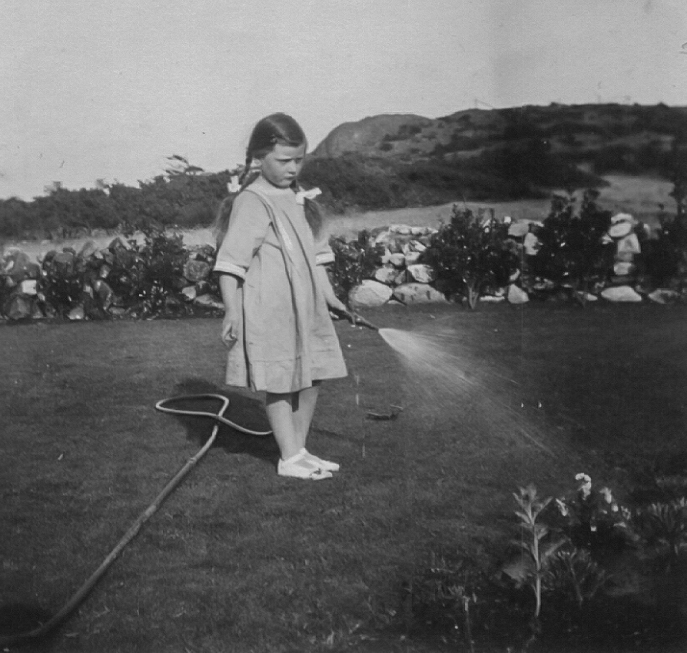
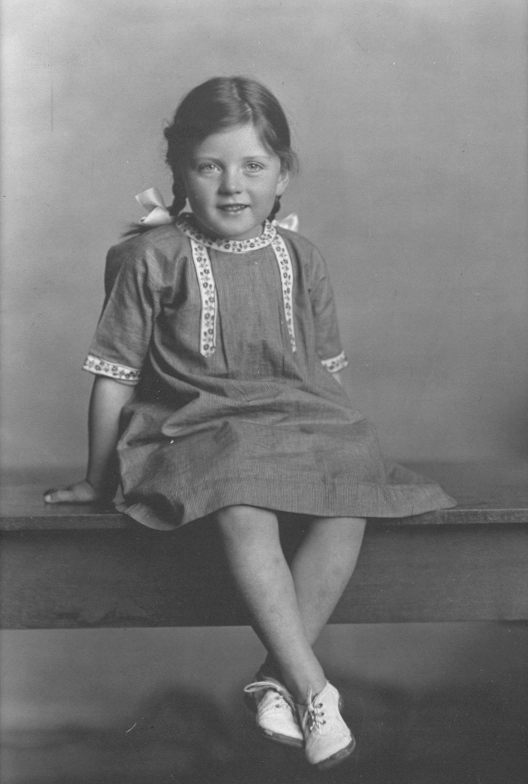
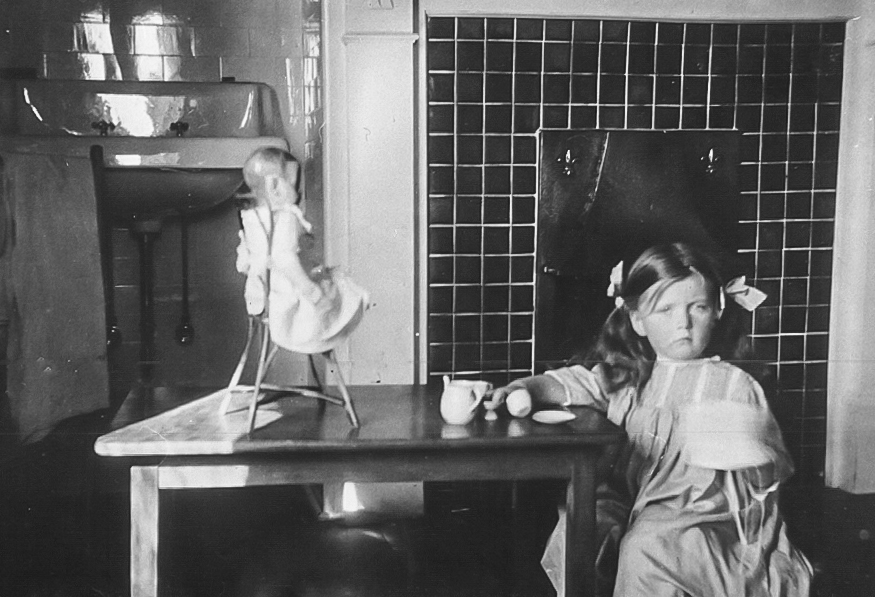
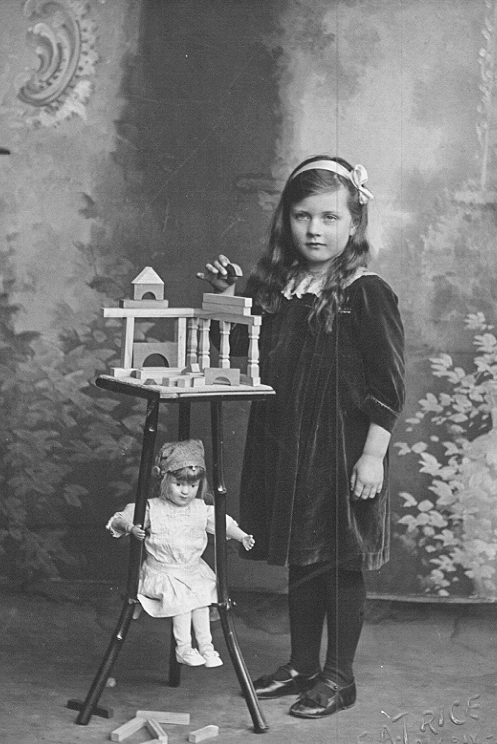
After a difficult birth, for which a doctor had to be brought by boat from another island, Ruth Enke arrived on December 5, 1910.
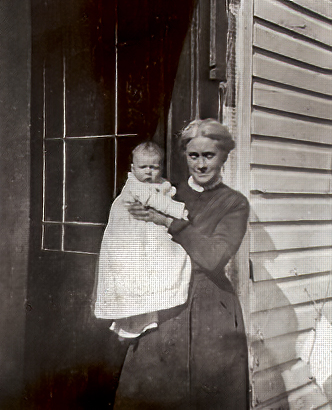
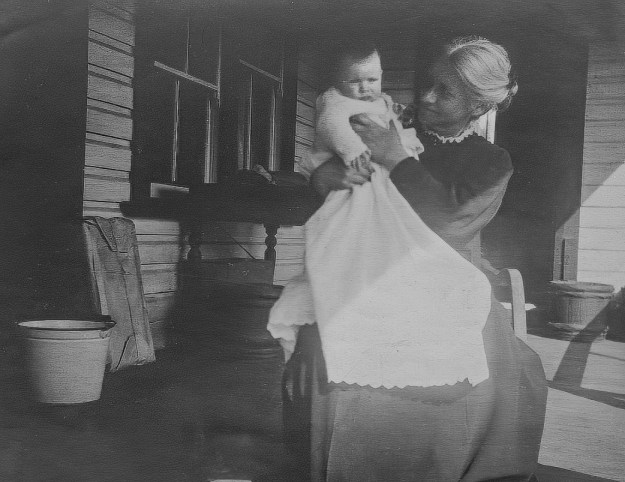
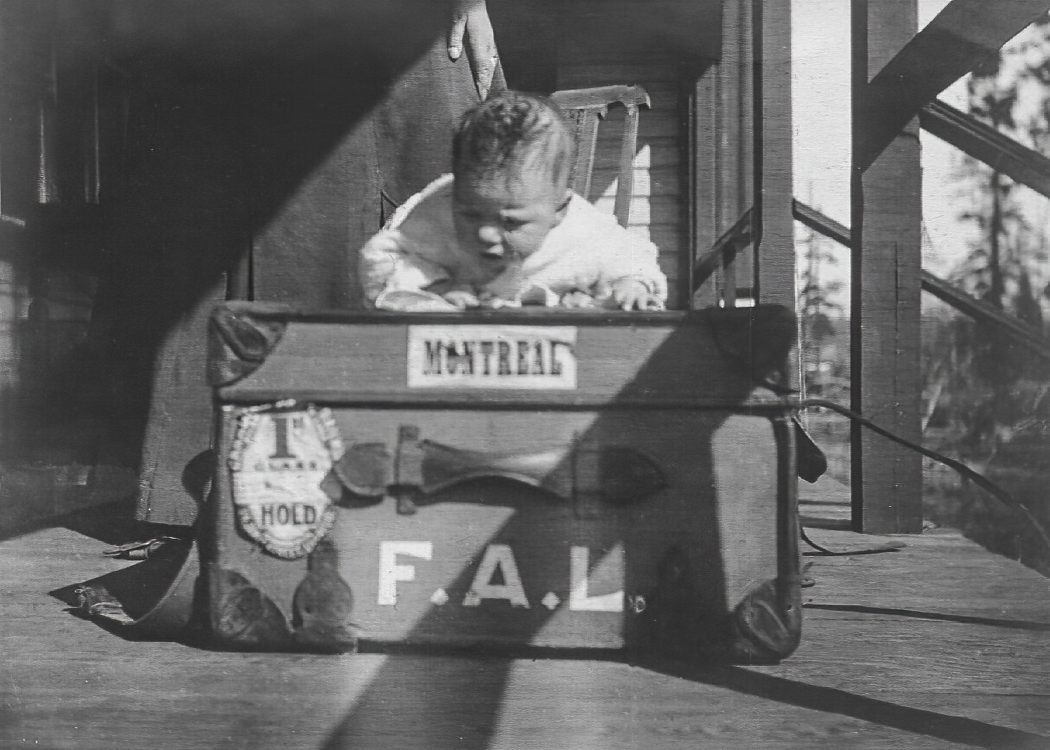

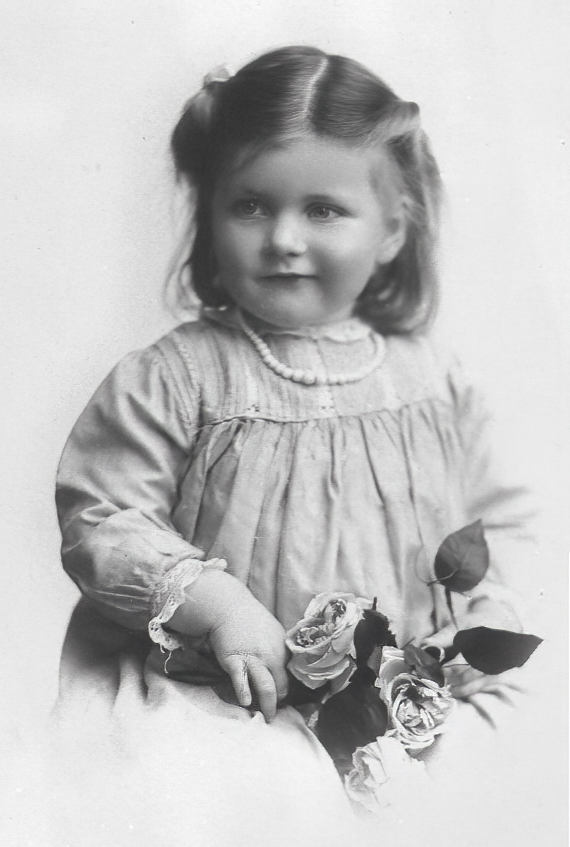
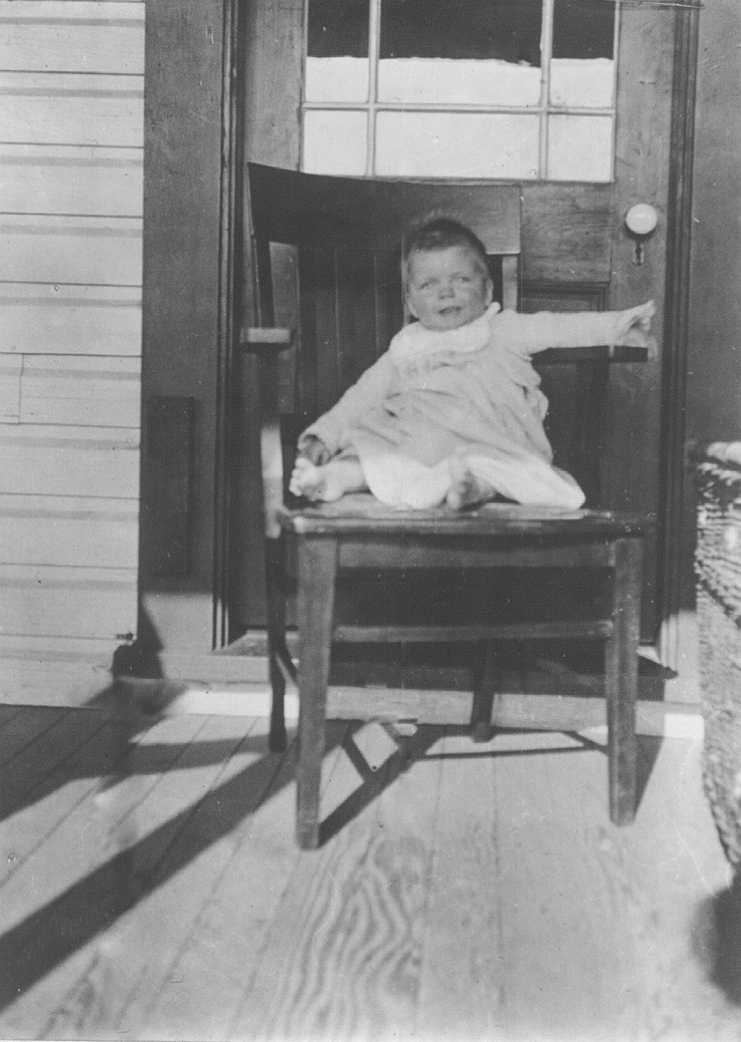

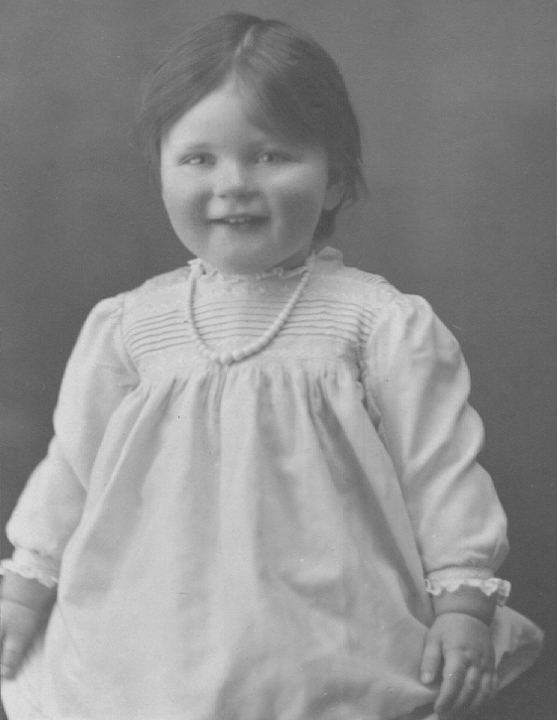

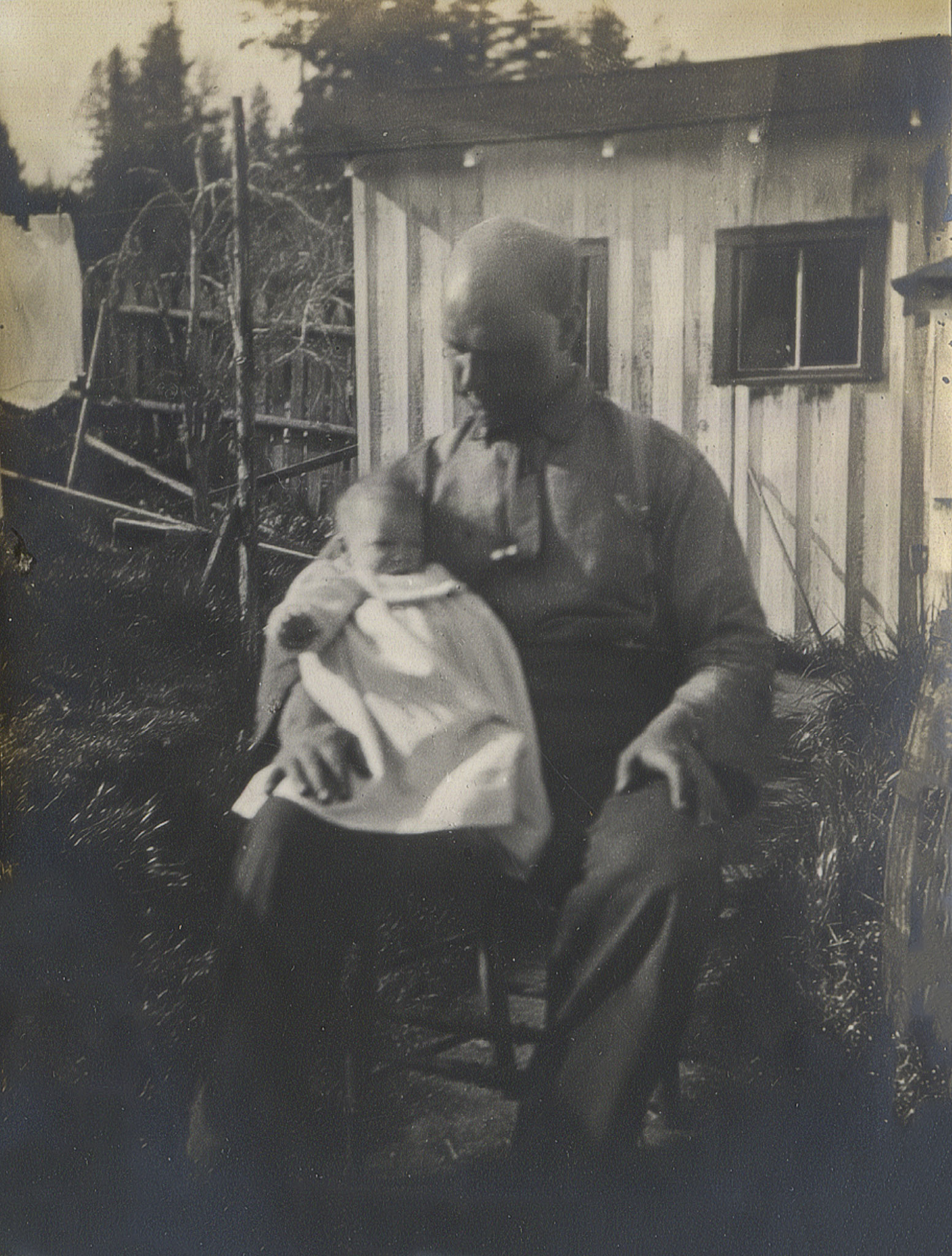
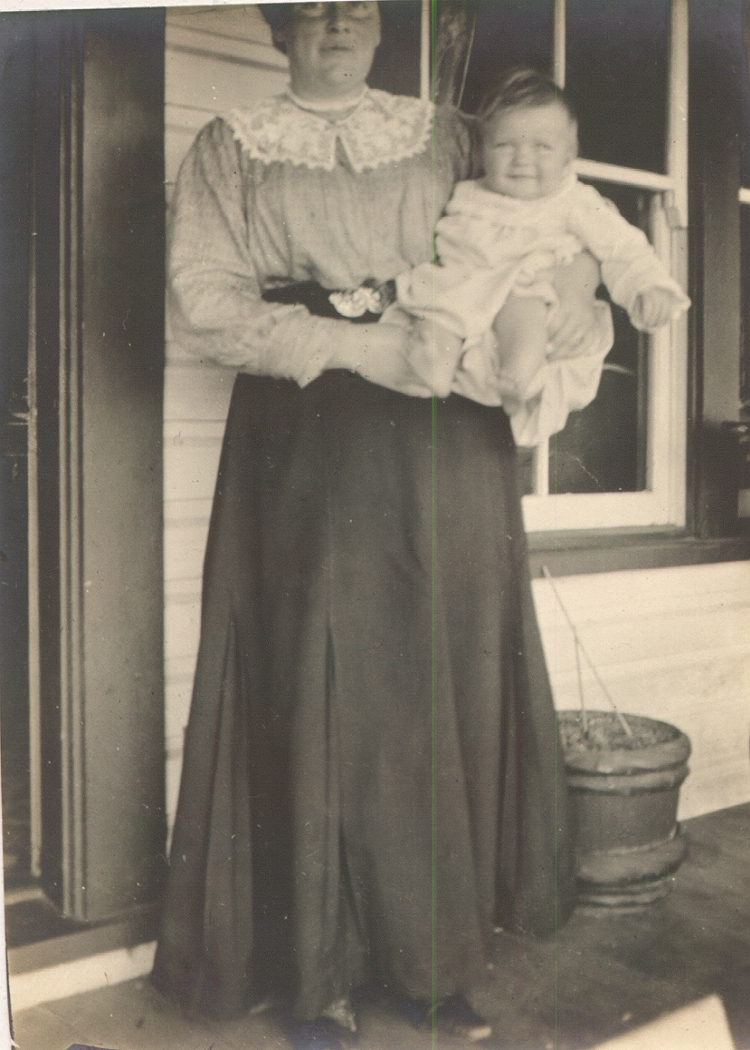

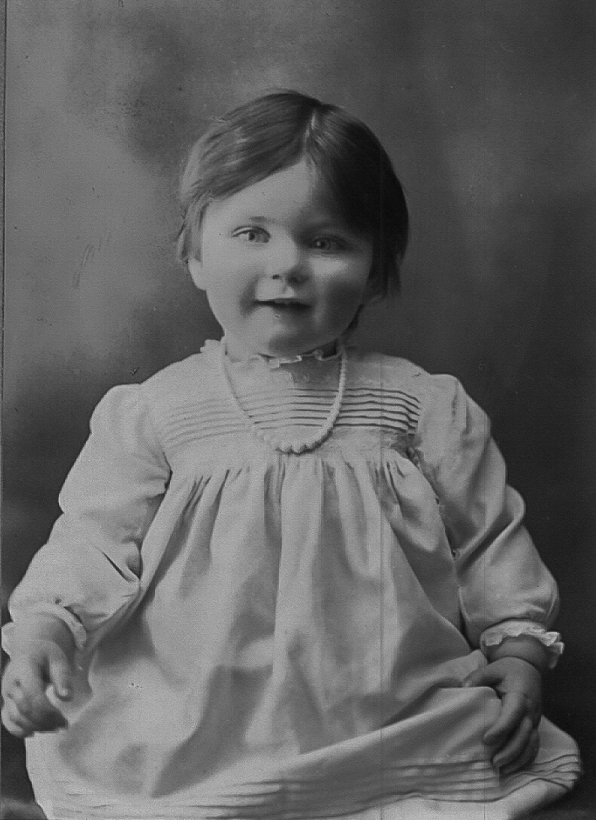
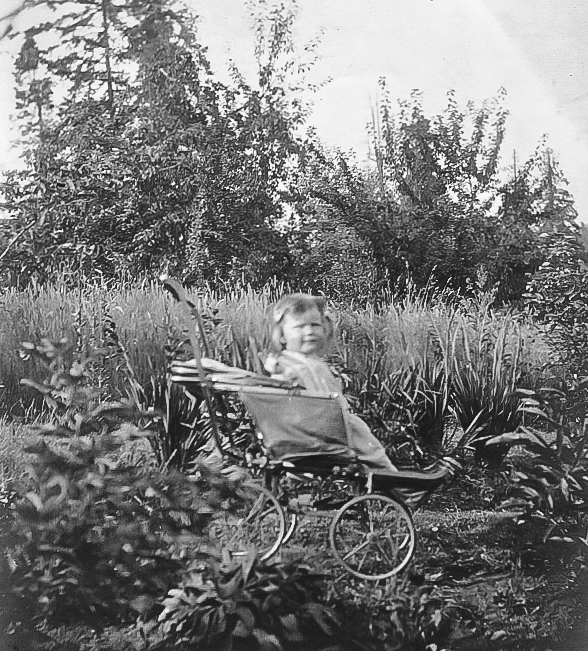
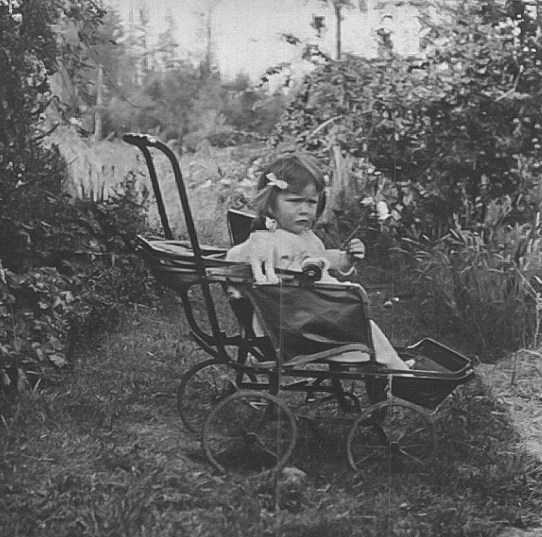
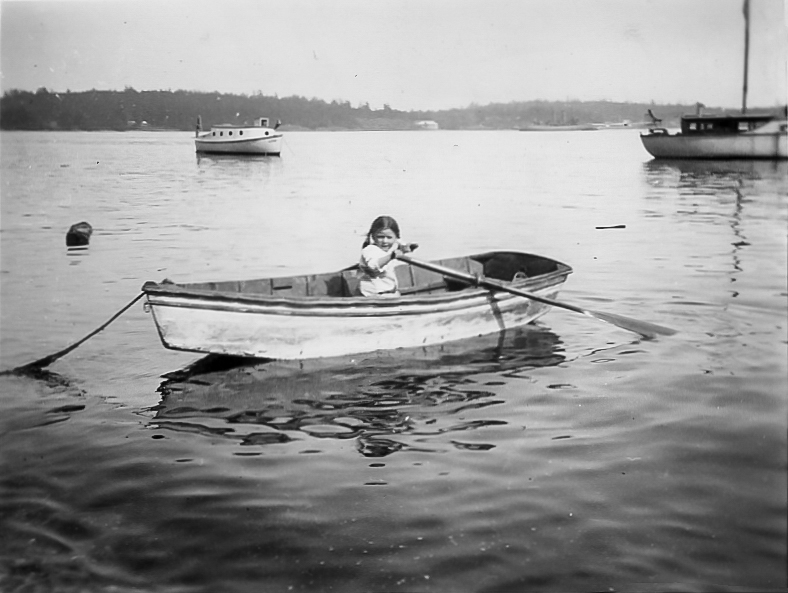
In January, 1911, aunts Paula and Ady Enke left to return to Eeclo, Belgium, while grandmother Louisa remained to help Marion, returning to Manchester later.
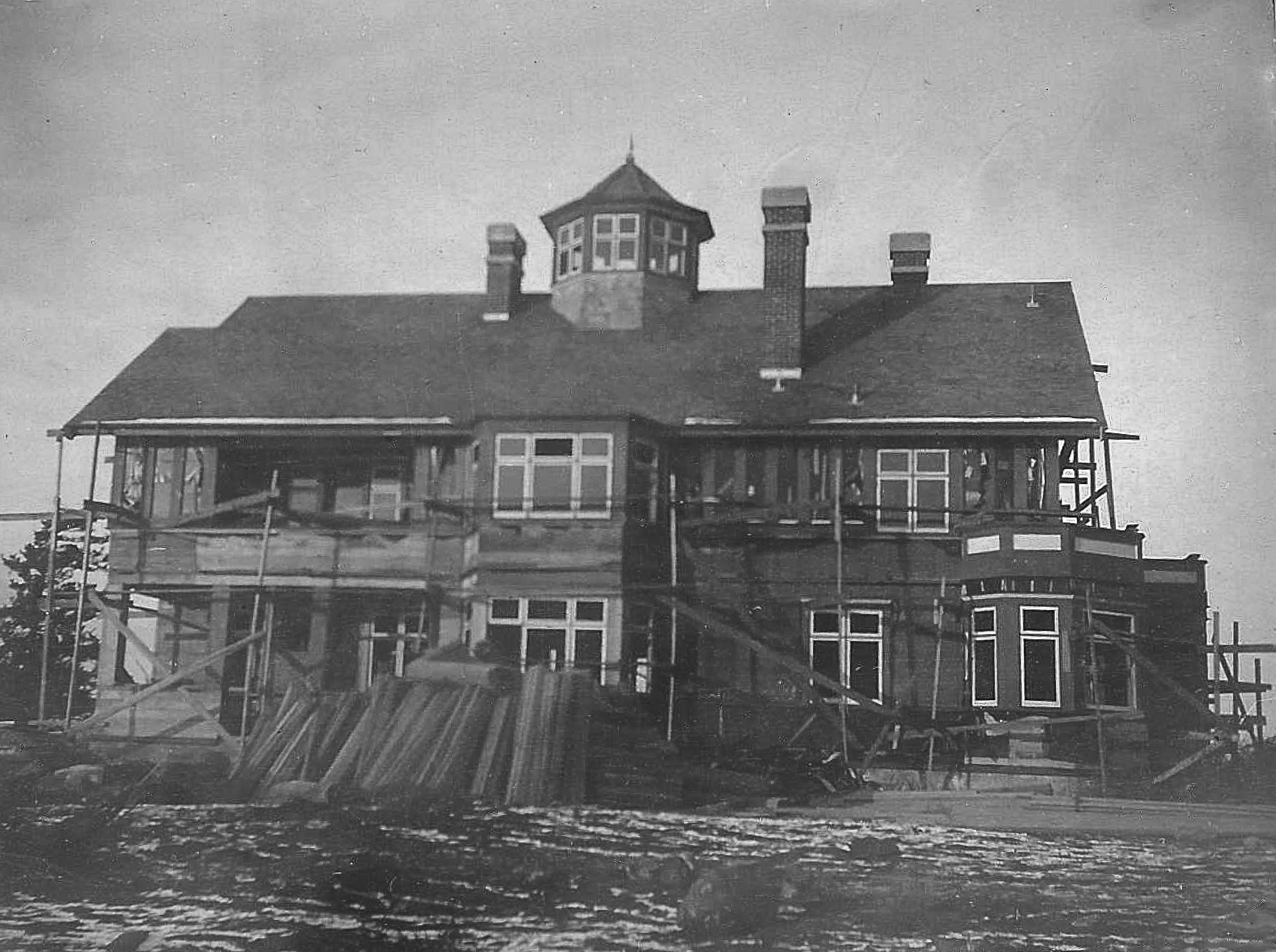
It was at this time that Marion insisted they have a house built in Victoria and move there so that she could be closer to medical assistance for future births. Of course it is likely that Marion, unlike Max, was not enamoured of the primitive rural life they were living at Valley Farm on Galiano Island. She also, as a former teacher, would have been looking ahead to 1914 or 1915 when Ruth would come of age for primary education – Galiano Island had no suitable facility.
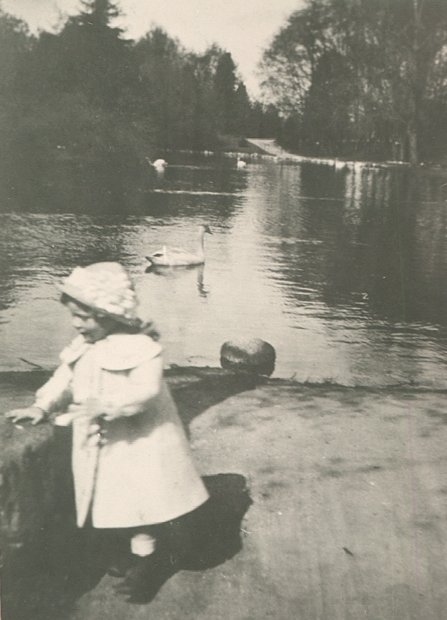
Meanwhile the Lejeune family members still iin England as well as the Belgium Enke family members, particularly her grandfather Hermann Enke, were keen to see this new baby. In July, 1911 Ady Enke returned to Galiano Island and in October she, Marion with baby Ruth and (possibly) Arnold travelled by rail to Quebec City and then by steamship (Virginian) to Liverpool and Manchester. For the next nearly six months Ruth was shown off, first in Manchester and then in Eeclo. Arnold returned to BC in March 1912 but it was not until May that Marion and Ruth, accompanied by both Paula and Ady, returned to Galiano Island.


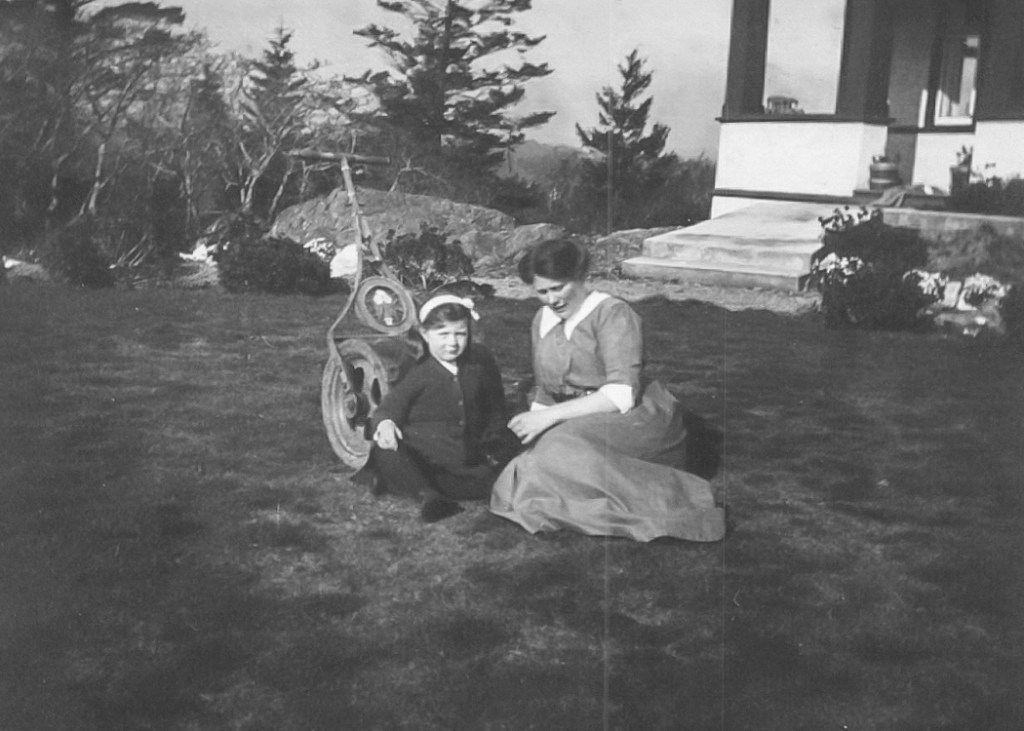
In late 1912 or early 1913 the house at 572 Island Road was completed and the family moved into it although Max continued to spend considerable time on Galiano Island managing the affairs of the farm. It’s probable that around this time Max suggested to Marion’s brother Arnold, who had been working in agricultural jobs since his 1906 arrival in BC, that he come and take over some of the farm’s management duties. Arnold meanwhile had fallen in love with Gladys Brown, a Scottish girl from Edinburgh, whom he had met in Vancouver, and in early 1914 they both travelled to Edinburgh to be married. After the wedding they returned to BC, to Galiano Island, and Arnold started working for Max. Gladys described her experience in A Bride on Galiano.



The Arrival of Stephen
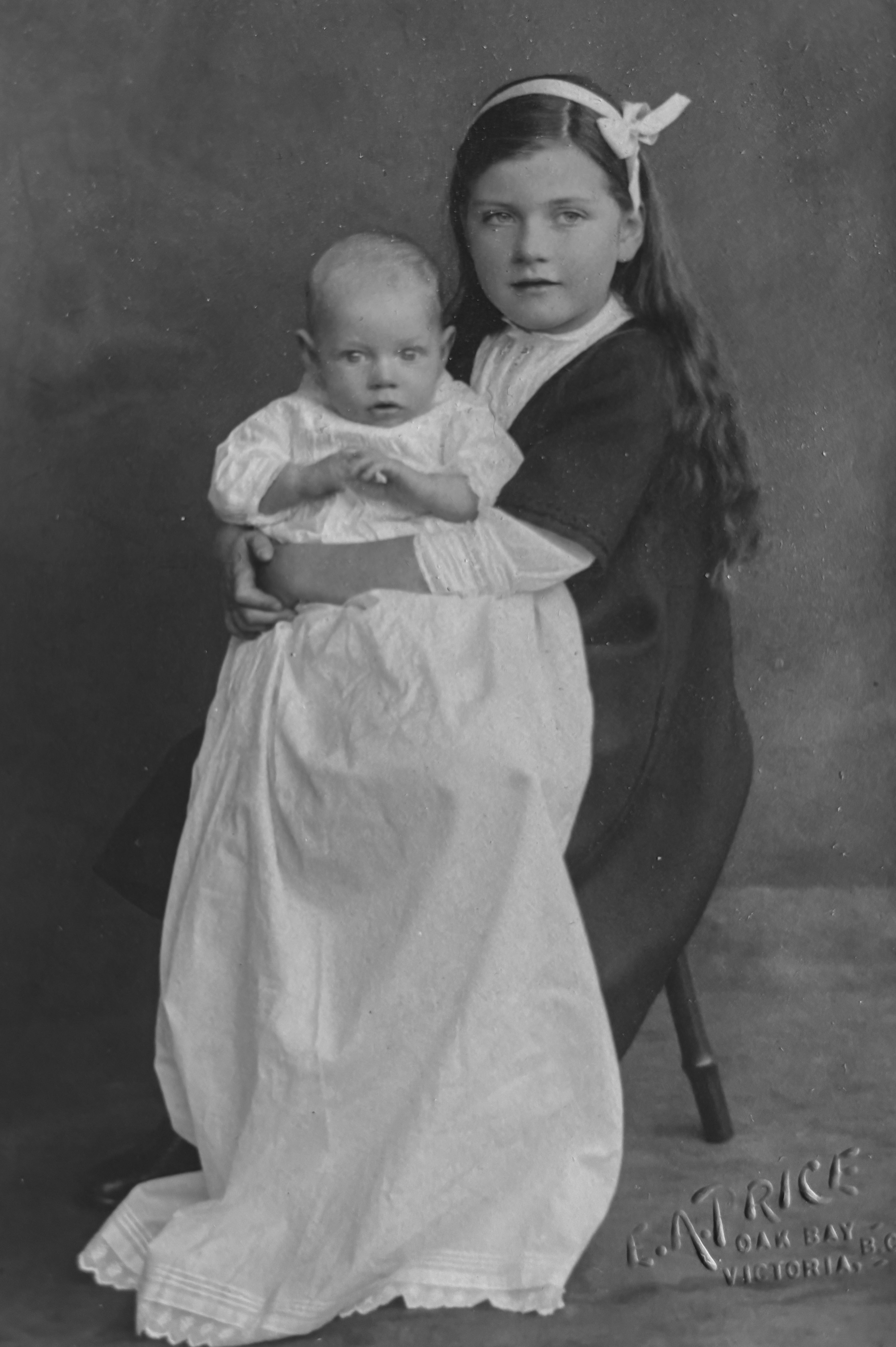
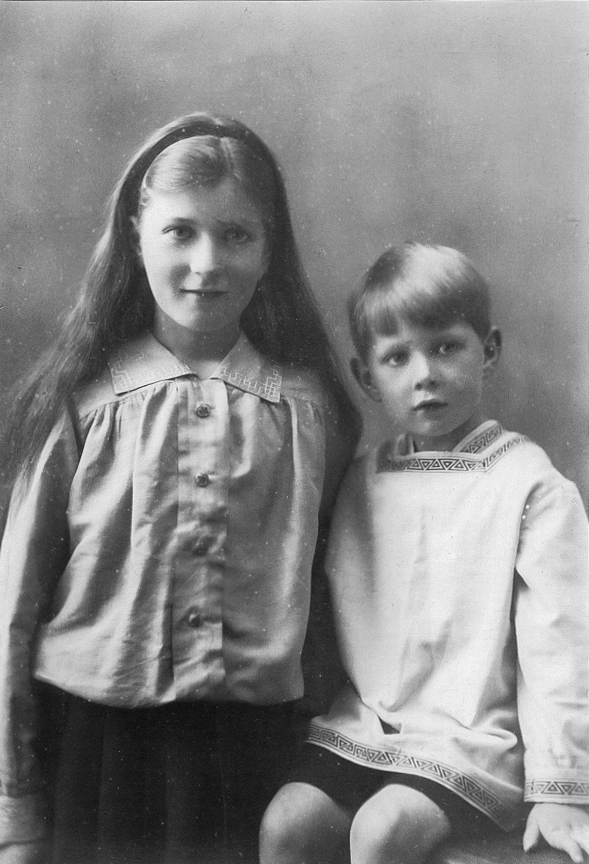
We’ll let Ruth describe this cataclysmic event in her life:
On July 15, 1916, just before breakfast, my father looking very happy, handed me a slip of paper and asked me to read what he’d printed. It was a single word, but I read it as two: STEP HEN. My father explained the correct pronunciation and told me that was the name of the baby brother who had arrived last night. He and my mother were sleeping right now but after breakfast we could tiptoe in very quietly and see the baby boy in his bassinet.
So, I duly tiptoed, looked and was disappointed.
I’d been the adored only child for 5½ years, and now my parents were happy and proud of this thing with a tiny face like a crinkled, over-ripe tomato. Excited about that. I certainly had no use for it.
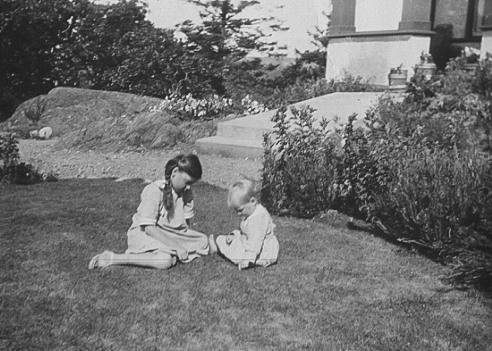
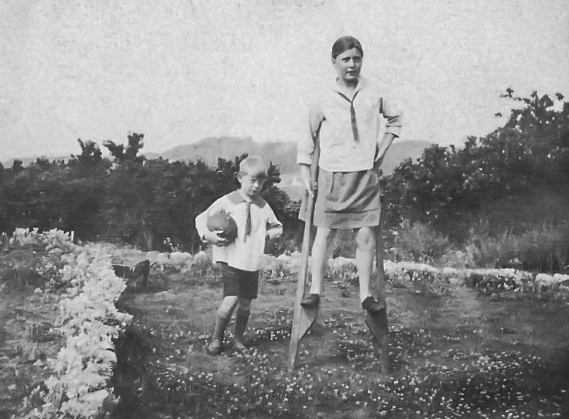
I was definitely jealous of him from the start and stayed jealous of him until I married and had children. That difference of 5½ years was too great. He was an excitable temperamental baby and toddler. Always in a state over something. I was stolid and solid. In fact, as the years went by it became increasingly obvious that we were of little use to one another. We had different tastes, different friends, went to different schools, had different outlooks.

Schooling
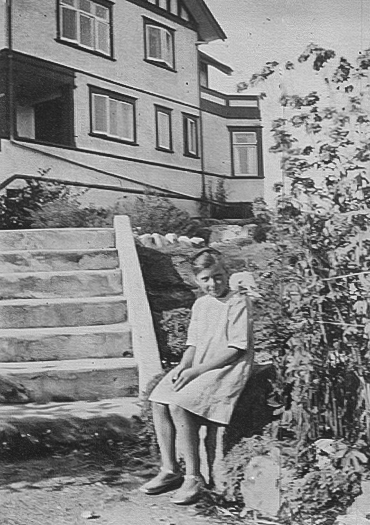
In Victoria, Norfolk House, an all girls school, was established in 1913. It’s unclear at what age their youngest students might be. Willows School was established in 1909-10. Ruth may have attended one or other of these two schools from 1915 until 1919.
Europe 1919-1921
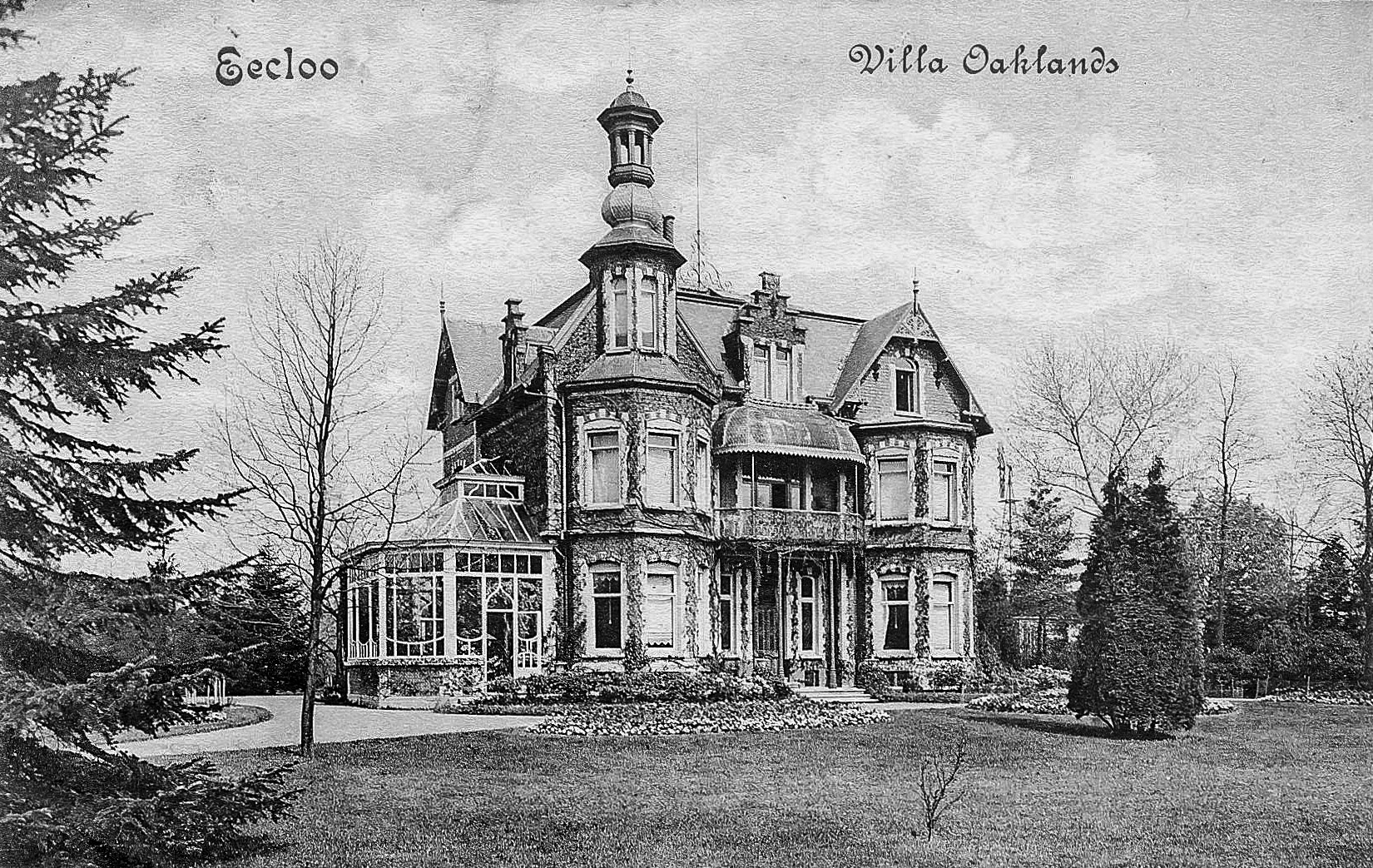
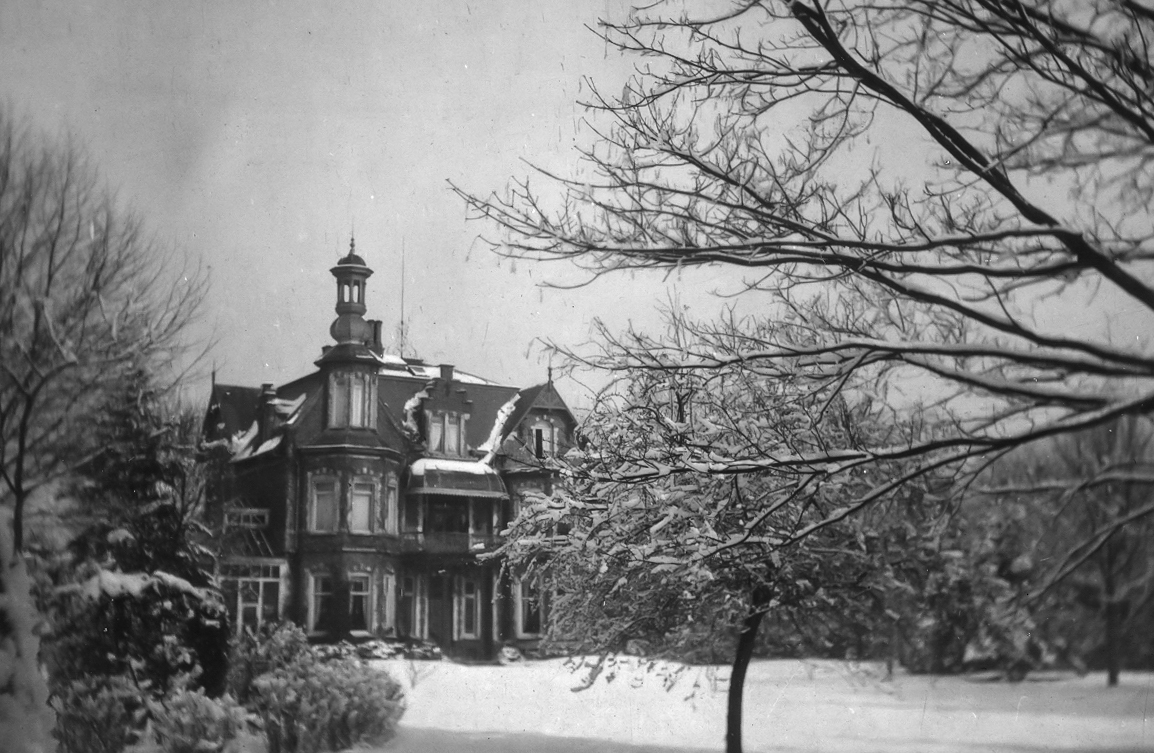
The First World War raged on in Europe. In Belgium the Germans had overrun Eeclo so the factory and the two big houses, Oaklands and Pinehurst, were in Occupied Territory. At the beginning of the war Peter and Isabel had left Pinehurst and eventually spent much of the war in England. The Germans took over the house and it was used for officer accomodations. Paula, Ady and Herman remained in Oaklands for the duration of the war and, no doubt because the factory’s output could be used by the German Army, were left alone.
The family story is that prior to the German occupation Pinehurt’s silver and other valuables were hidden away safely for the duration. And that Ady frequently walked the path to Pinehurst where she checked that it was being properly treated. Behaviour in 1914 was different from that of 1939-45.
There was very little communication amongst Max, his father and mother, and siblings during the war so upon its end Max decided that the family should travel back to England and Belgium to see what the conditions were like. On November 10, 1919 the family boarded the steamer Metagama in Montreal bound for Liverpool and from there to 8 Burlington Road in Manchester. They would stay in Europe until 1921, in Manchester and, when in Eeclo, at Oaklands, home of Hermann Enke, Ruth’s paternal grandfather.

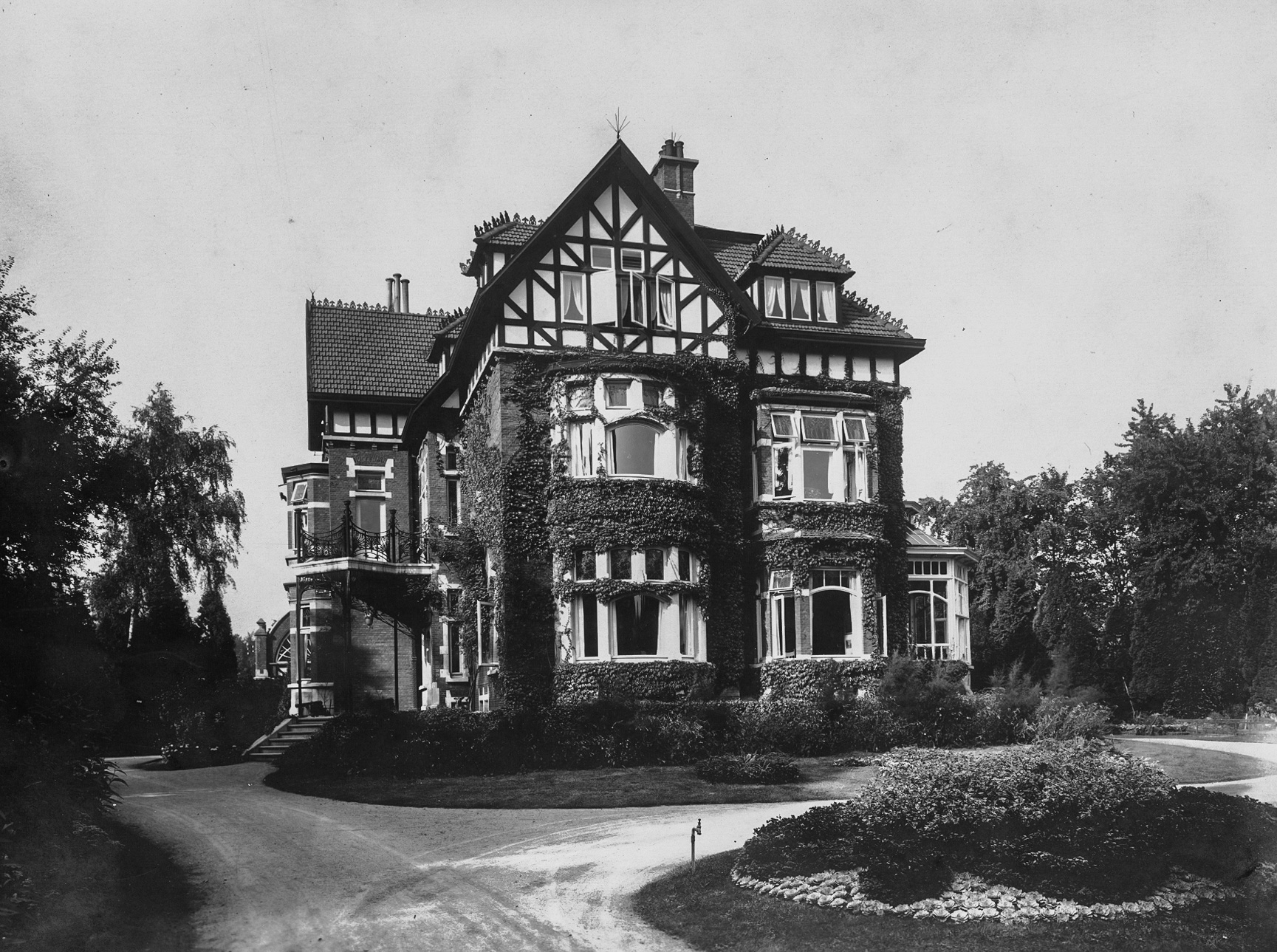
If the above photo had been taken in 1919 instead of 2024 the house would likely have black stains on it from the polluted air of Manchester. Coal was widely used in homes and factories.
During her time in Manchester Ruth attended Withington Girls’ School despite not yet being 12 years of age, no doubt due to the influence of her grandmother Jane Louisa Lejeune, one of its cofounders.

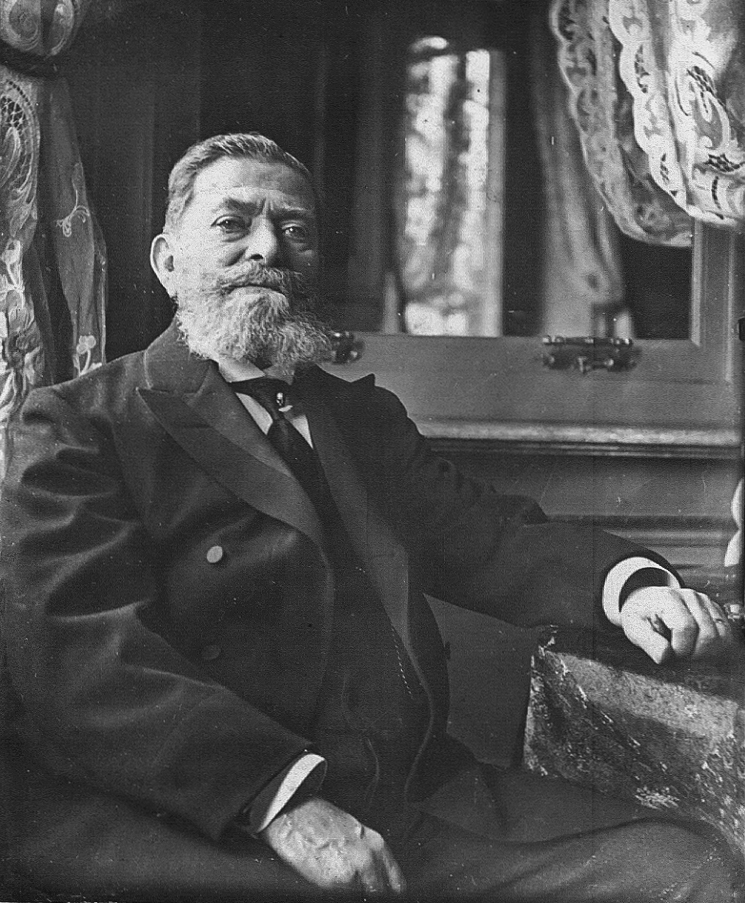
Ruth and family spent part of their European time in Belgium, in the small village of Eeclo not far from Ghent and Antwerp. The family stayed in Oaklands, the home of Hermann Enke
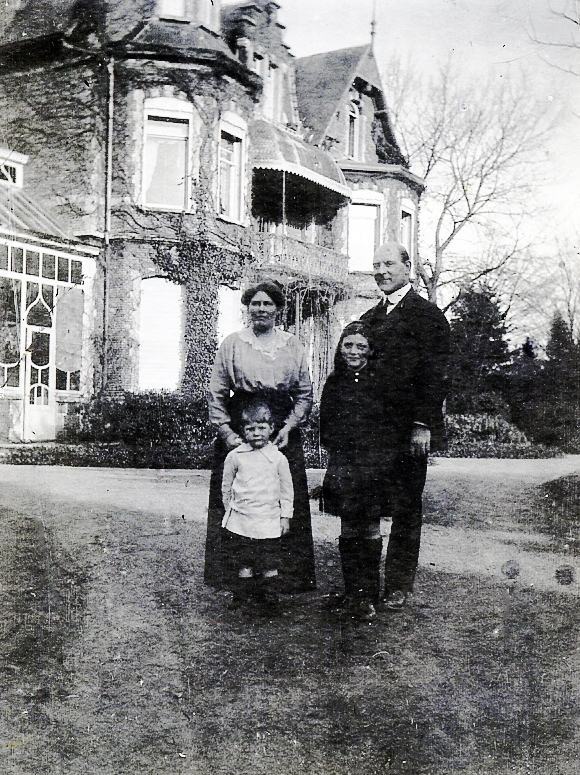
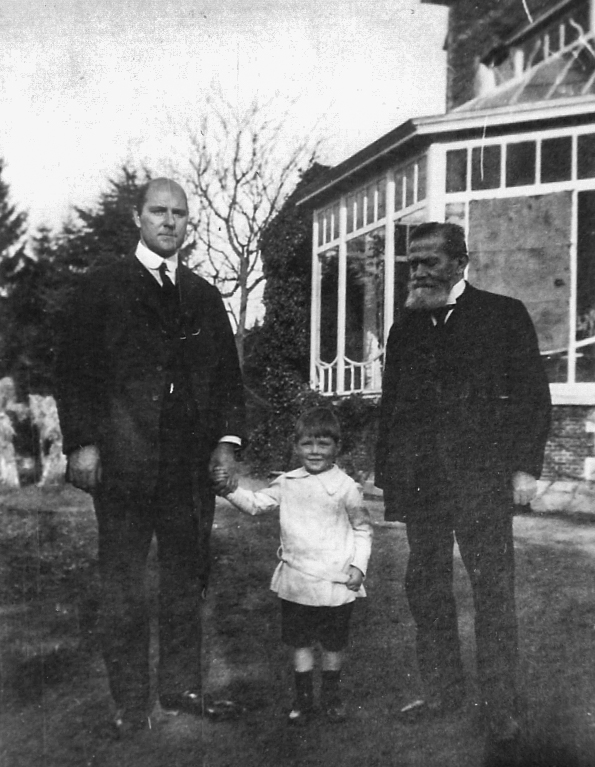
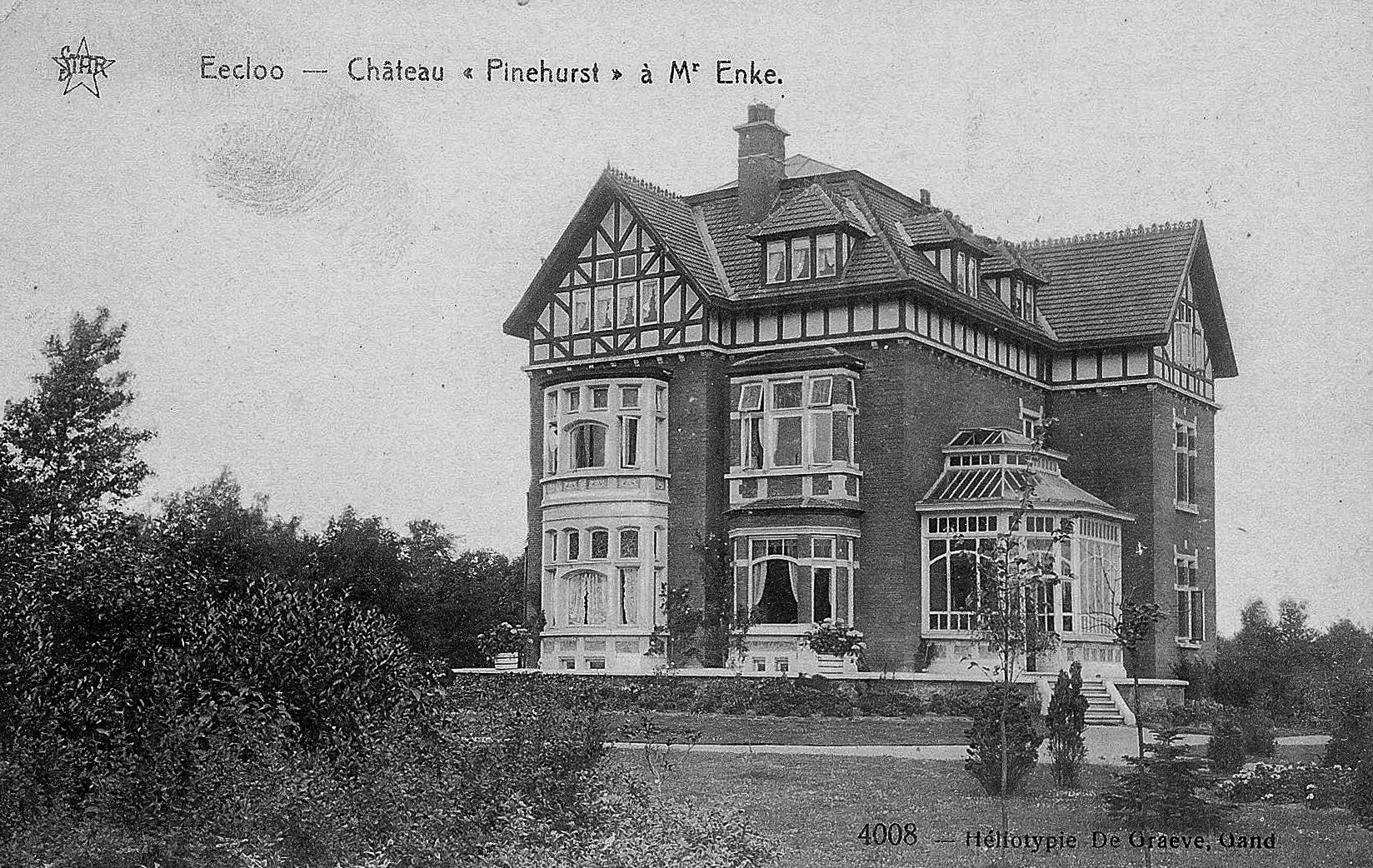
On an adjoining property was Pinehurst, home of Ruth’s Uncle Peter, Aunt Isabel, and cousins Margaret (Margy) and Godfrey.
One day, the children and parents boarded the large chauffeur driven car for a trip to the battlefields at Ypres. Ruth later admiited that she was too young to appreciate what the widespread destruction signified.

- Return to Victoria
- Norfolk House
- 1924 to England for schooling
- Bit about 1924 cousins get together
- Pointer to sections of autobiography
- Death of Herman
- Peter wants to retire
- Oxford
- Move to Belgium
- Decision to return to Victoria
- Dintledyjk
- California time
- Move to Ladysmith
- Letter writng
- Fishboat
- Birth of Russell and photographs
- Making ends meet
- Birth of twins
- From Diary – life in Ladysmith
- Marion visits – ease of train travel to and from Victoria, Duncan etc
- The continuing struggle to make ends meet
- Growing, picking, selling
- Writing – magazines, radio scripts
- Mending, unraveling, knitting
- Children’s activities: softball, skating, swimming, bicycling
- End of the war
- 1951 trip to England and Belgium
- 1952 – major changes: purchase of Madrona, move to Victoria, arrival of Max, University School, 428 St Charles purchase
- 1953 – continuing worries about money, headaches
1930’s
Ruth, with her partial Oxford education, interest in Children’s Literature, and imagination was still hard pressed to create things which people would buy. She was able to find work in the Oak Bay Library and Bookshop. She also became friends with Hazel King, the Head Librarian at the Victoria Public Libray.

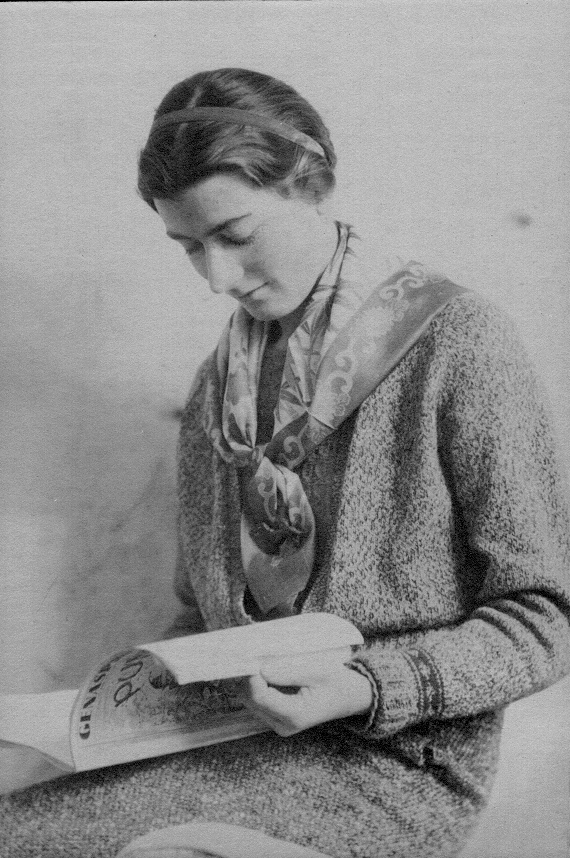

For the years immediately following her return to Victoria from Europe Ruth was able to devote time to creating a Library for Boys and Girls in 1934 aided by a loan from her twin aunts Paula and Ady. As well she was an avid hiker and, with friends, enjoyed travel to places on the southern bit of Vancouver Island, such as Jordan River, for long walks.
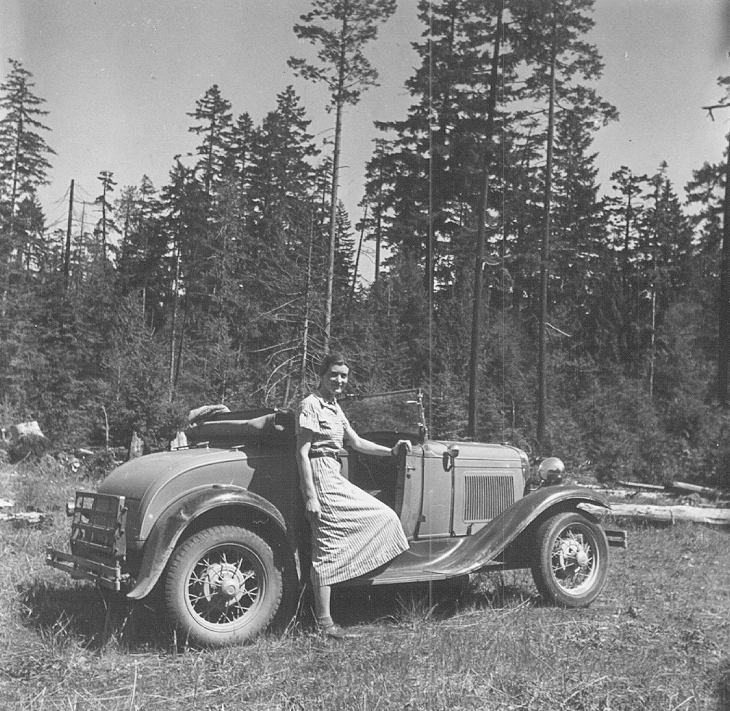
While not lavish, her earnings plus a generous allowance from her father, allowed Ruth to purchase and maintain a 1927 Chev Roadster. This she used for trips to Cherry Point near Cowichan Bay to spend weekends with the Henry Bayley family. It was there, in the mid-Thirties. that she met Lawrence Chambers.
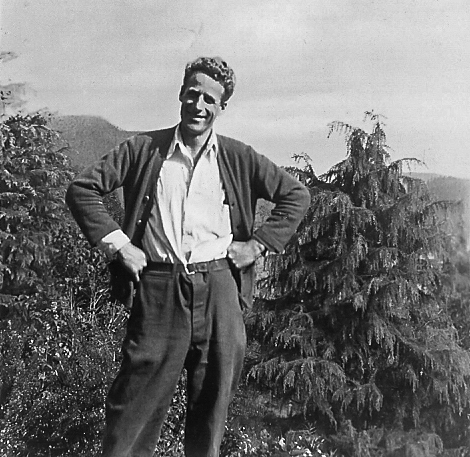
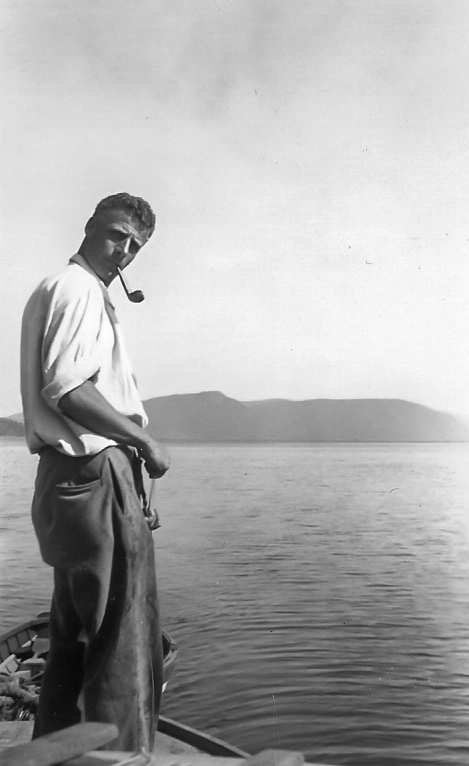
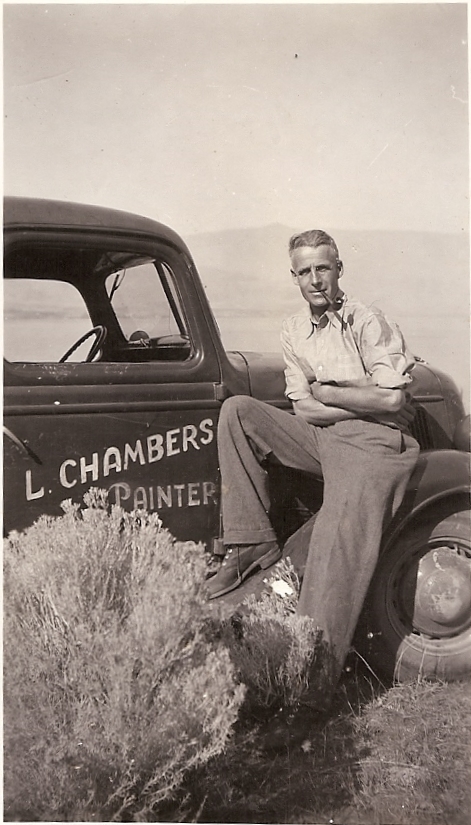
Although there is a much more detailed story in Lawrence Eldon Chambers’ ancestral page elsewhere on this website, an abbreviated version is as follows.
In 1920, Lawrence, as a 14 year old, with his 16 year old sister Audrey, were sent over from England to join their father, George Eldon Chambers, who was homesteading at Belvedere in northern Alberta. They arrived to find that Eldon was living with another women, Joan, having essentially abandoned his wife and children in England.
At this distance in time, more than a century later, the justification for ancestors’ actions need to take a backseat in the narrative. Judging the morality of human beings at such a distance is merely an exercise in imagination. Suffice it to say that in the Census of 1921, Joan lied about her name and status, as she is listed as Eldon’s wife.
As Lawrence grew up in the household he slowly was forced to take a more responsible role for the welfare of the family. Eldon was not sensible nor energetic enough, despite having worked at Slaughter Farm in the Cotswolds, to realize the critical requirements needed to bring animals unscathed through the harsh winters of northern Alberta. It increasingly fell on Lawrence’s shoulders to ensure there was enough hay, grain, fuel etc to survive – he was forced to grow up in a hurry and to learn all the farming, fencing, haying and rudimentary carpentry skills necessary for survival.
At some point in the late 1920’s Lawrence struck out on his own, working at various Alberta sites, using his already learned skills and picking up more. In the early 1930’s as the Depression’s bite dried up work in Alberta, he rode the rails and walked from Alberta, down through BC and eventually to Vancover Island, being fed along the way by trading work for food. He worked for a period as a logger but hurt his back (an injury which would trouble him for the rest of his life) but also with bricklayers who were constructing the a large brick smokestack at one of the Cowichan or Duncan mills. He also learned the more of carpentry.
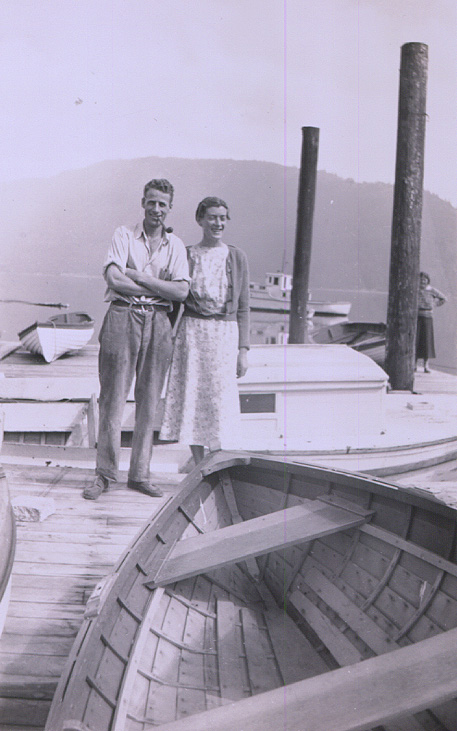
As if that weren’t enough, he also picked up enough boating knowledge to be hired to manage the Cowichan Bay Marina. That made it possible to spend time with friends, including Henry Bayley, which is where he met Ruth. As Ruth puts it:
He was tall, fair-haired, blue eyed, handsome and a lot of fun. By 1937 I realized that he was truly energetic, cheerful and fun as well as kind and helpful, so I said yes when he asked me to marry him.
Life during the Great Depression was a constant struggle for the “little people”. Immortalized by Steinbeck’s “Grapes of Wrath” in the US, conditions were perhaps less dire in British Columbia but still constantly demanding that money be earned so that food which couldn’t be grown could be bought and paid for.
Ruth’s Writing
In her autobiography Ruth writes:
Lawrence bought a very pregnant sow to feed on the extra milk. Later on when she and all her progeny broke out of the pig enclosure, and she led them all down the middle of the long flower bed of best daffodils, I made careful notes and such a sow was part of one of my short stories for a small publication produced in Nashville, Tennessee. “For girls 8 – 12,” the editor wrote to me to explain their needs. “Boy meets girl but no sex.” (Miss Beulah Folmsbee of The Horn Book Magazine had given them my name as a possible contributor.)
I’d never written a short story, but this was a chance to earn money at home, so I gave it a try. I ended by writing them 10 or 12 stories. All but the last came back with a most helpful letter. Introduce your main characters early, cause and effect are better than too much coincidence. Without exception, I altered every rejected story as suggested and resubmitted. Finally, a story was accepted at once with no mention of alteration or rejection.
I had in fact been given a free course in short story writing by someone who knew the mechanics of the job.
Nowadays, training on the job and being paid for it is taken for granted. In the 1940’s as I fought my way through the diapers, such training, free, seemed to me like all this and Heaven too!
Thus began Ruth’s foray into writing for a wide variety of publications, each with their own targeted audience, desired subject matter, writing style, article length, and remuneration.
One has to know a bit about one of Ruth’s singular strengths in order to understand the origin of her ultimate success as a story teller in whatever media she worked – she noticed things, about people, nature in all its aspects, family life and living, life’s small pleasures and sadnesses, its frequent humour, what surprising observations children come out with and so much more. From this plethora of material she would pluck bits, weave them together with her own ideas and feelings, shape and mould with her active imagination and writing skill into whole narratives which drew emotional responses from readers or listeners – they were so authentic and true. We, her family, called this “Column Writers Instinct” – the ability to take an acorn of truth and build a beautiful, compelling tree.
Although it’s an anachronism to place it here, the following column, written by Ruth in 1959, in the description of Diana’s passion perfectly captures the way Ruth went through the world, the breadth and depth of her observations and the pictures she would subsequently draw.

In her writing for publication Ruth used two different approaches: start with an idea, write a story incorporating it, and then seek publications which might be interested; or, a choose a publication with its unique demands and a then tailor a story to meet them. None of it was easy: often articles would be sent in on spec to a magazine only to be subsequently returned, rejected. Some would be returned with some suggested changes but no promise that the edited work would be accepted. Others would come back with directions about specific changes to be made – once the changes were made and the peice resubmitted the article would be accepted for subsequent publication and payment.
Starting a little notebook in 1940 recording the fate of some of the articles she wrote, Ruth jotted down their history. Here are few of the entries – they capture the work which she did to earn money from her writing:
- Jan. 23 – “Letter to a Friend” – sent to “Onward” – returned March 8th – Abandoned
- Feb 17 – “My Cook Book Tells a Story” – sent to “Chatelaine” – returned March 10th with nice letter suggesting “Ontario Farmer”, “Canadian Countryman”, “Farmer’s Advocate”, “Family Herald” and “Weekly Star” – March 10th – sent to “Family Herald” – $10
- May 23 – “Fathers Forewarned” (RC) – sent to Victoria Times – Held but returned as no space for extras – June 13th – sent to Vancouver Daily Province – accepted June 15th – published August 16th – paid $4 – Canadian rights only
- June 28th – “Bottling For Beginners” – 700 words – Sent to Vancouver Sun – author R. Enke [this suggests that she is beginning to use her maiden name in her writing]
- Oct 3rd – “Helene of Departure Bay” 3900 words approx. – sent to “Girls Today” – Accepted – cheque $35 US ($38.25 Canadian)
- December 11 – “For Freedom’s Sake” 3500 words approx – sent to “Girls Today” – January 19th, 1941 returned for alterations – sent off again March 3rd – accepted March 18th – $38.25
- Feb 11, 1942 -“Good Heavens – It’s Twins” – sent to Province – returned
- Mar 17 – “Fathers Forewarned” – sent to New Yorker – returned
- Mar 23 – “Madeline of Maldegrun” – sent off [probably to “Girls Today”]- rec’d back on April 20th for three pages rewritten – sent off May 8th – accepted May 24th – paid $38.25
- April 27th – Dorothy Mackenzie – sent off “Fathers Forewarned’ and “Cook Book”
- June 12th – “Christian Home” – about 500 words each – “George on Drink” rtd – “Twins Can Be Fun” rtd – “Let the Family Budget” – Suggest “Make Your Visitors Work”, “We Share Our Baby Clothes”, “Time To Think”, “Write That Letter Now”,
One can guess at Ruth’s mental process when it comes to prospects by tracking it through her diary entries:
- Friday, March 23, 1945 – on visit to Victoria – “An hour or so in Public Library with Hazel [King] reading “Parents Magazine”
- Friday, April 13, 1945 – Ruth records the address and contact details for “Parents Magazine” and notes subjects of publication interest: Family Relationships, child care, training, health, education; 2500-3000 words – 1 1/2cents per word
- Sunday, April 15, 1945 – “got 5 Parents Magazines from Mrs Oldham – good material there for stories” and on the same page jots down an idea; “16 year old girl who resents lack of privacy in 1st love affair – the joshing of her 10 year old brother – the way her younger sister borrows her clothes – the bathroom talk of her 5 year old brother”
- Monday, April 16, 1945 -“Finished ‘Poetry Keeps The Peace’ 2500 words for Parents Magazine” and she goes on to list six more potential titles for other articles she can write
- Tuesday, April 17, 1945 – Ruth sends off “Poetry Keeps the Peace” to Parents Magazine.
- Saturday, May 5, 1945 – “Heard from Parents Magazine that they are holding ‘Poetry Keeps the Peace’ with idea of using it.
- Sunday, May 20, 1945 -“Reading Parents Magazine very carefully. Articles from 750-2500 words”
- Thursday, June 21, 1945 – “Parents Magazine returned ‘Poetry Keeps the Peace’ – like it and gave it a good deal of consideration but regretful conclusion – very full schedule”
- Thursday, January 31, 1946 – “Heard from the American Family Magazine that “Poetry Keeps the Peace” had been accepted, payment 1 cent per word for 1600 words.
In the background of all of the above, momentous world events are occurring and being recorded in Ruth’s diary:
- Monday, April 23, 1945 – Bremen being attacked by land and air
- Wednesday, May 2, 1945 – Hitler and Goebels dead. Mussolini hanged a few days ago. Berlin taken. San Francisco Conference underway. Resistance ends in Italy.
- Sunday, May 6, 1945 – Everyone waiting on thenterhooks for VE Day announcement.
- Monday, May 7, 1945 – heard whistle at 6 am. Got up, turned on the radio – got 1st news of German surrender. Siren went off about 8 am. Everyone at fete Thanksgiving Service – free shows for kids – dance…All ordinary shows cancelled – waiting for official word.
- Tuesday, May 8, 1945 – Official Holiday
- Monday, May 14, 1945 – Card from Daddy, written April 28 – buff coloured – … free and well in British hands [Ruth’s father Max Enke had been interned and imprisoned since 1940 – One of the subpages in the link above details his experiences]
- Monday, May 28, 1945 – cable from Daddy in Ghent; Mother reports that Humphrey cabled he had seen Daddy in Eecloo
All of this work, of course, was somehow fitted in while raising first one and then three children, coping with all the minor disasters such as overflowing ditches, flooding basement, smoking sawdust (the kitchen stove burned sawdust, brought in the bucket full and poured into a hopper; the sawdust was piled in one bay of the garage and, when there was torrential rain and high humidity, absorbed moisture) and frequently ill small children.
For example, here’s Ruth’s diary entry for Thursday, January 4, 1945
“Poured with rain. The basement awash. R[ussell] came home drenched at lunch and again at 4 pm. L[awrence] went up to Nanaimo – bought lumber for a bookcase for living room. Children broke Bruce’s bed into smithereens.
Alders already looking brownish on the hill.
Very nice letter from Bertha Mahoney of Horn Book
Working daily after lunch on “Junk Ship”. Plan to send it off by Jan 15th. Then start on “The Way We Live” – Get a rough draft of 10,000 words done by Easter – give to Molly [Crickmay], Margaret Whyte & Holmes to read for criticism.”
Some short diary notes hide an immense amount of work. For example, Sunday, January 7, 1945 “Fine blowy day. Did enormous wash – one washline broke…”

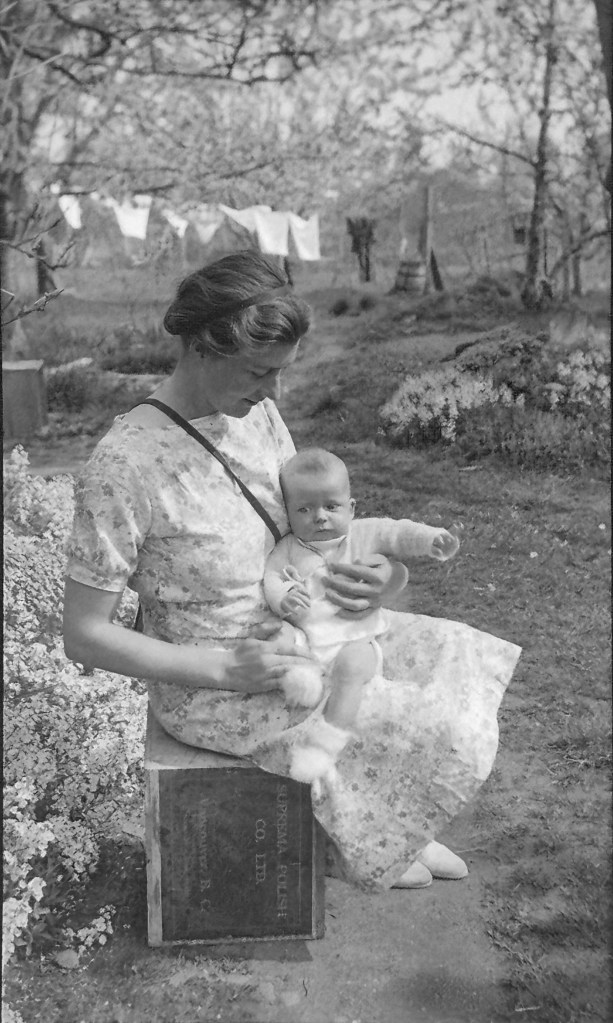
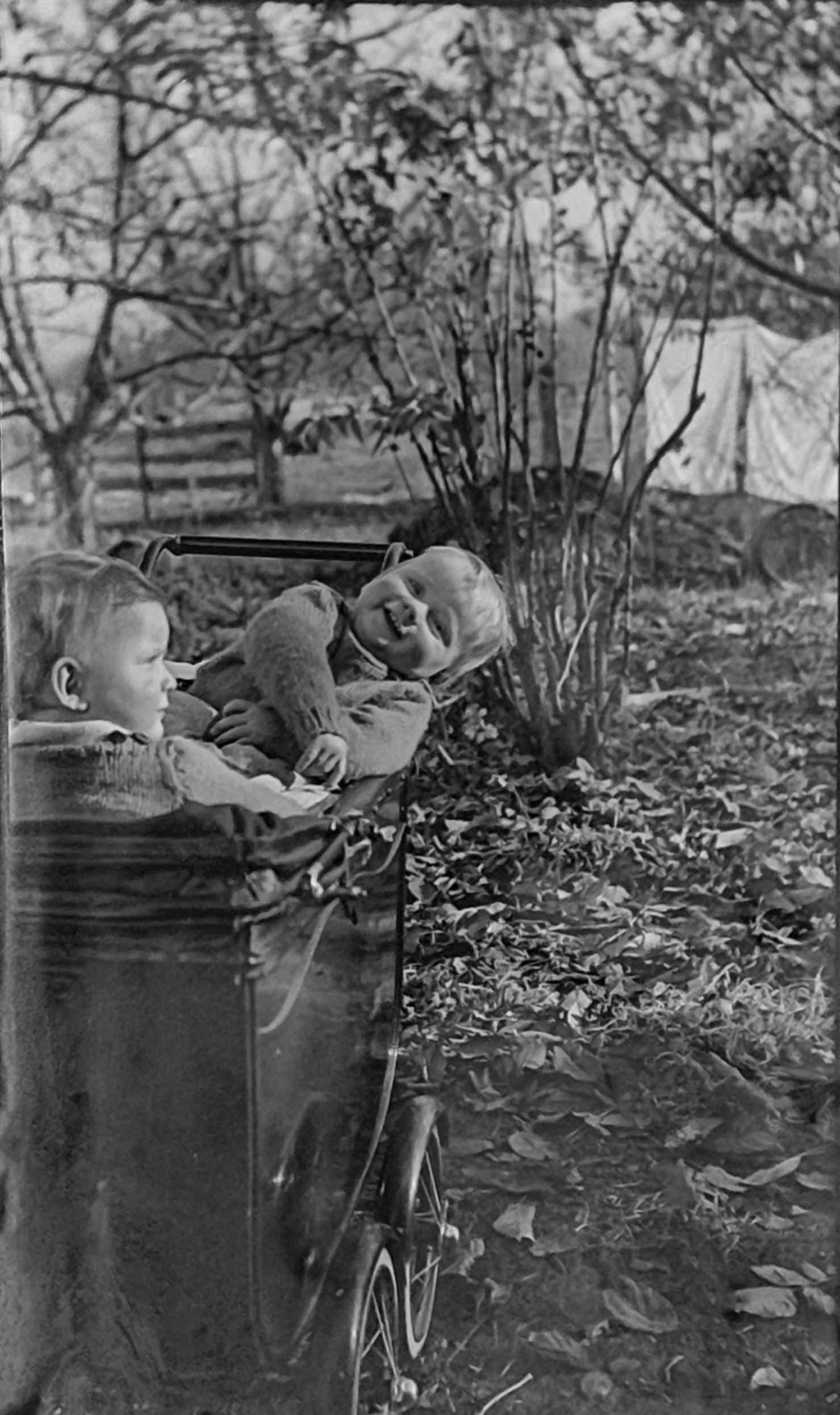
A wash was done using a wringer washing machine out on the back porch. And an enormous wash would include not only bedding from adults and three children, but also lots of grubby dirty clothing, all being churned up in the washing machine, passed through the wringer rollers, rinsed and passed through the rollers again and then carried out to where the washing lines were, shown in the background below.
Radio Plays and Scripts
In 1945 someone suggested to Ruth that she consider writing scripts for radio plays on CBR, BC’s main CBC network station, with studios located in Vancouver. Although she was still writing and submitting frequent articles, both to former purchasers and potential new clients, in late May of 1945 Ruth went up to Nanaimo and bought a book on how to write radio plays.
Over the next month or two Ruth studied and researched radio plays, spending a week listening to every radio soap opera she could. She tried out ideas for topics and eventually arrived at a fictional “The Frasers“. The two adults, Dick and Dorothy, their young son Doug, and the events in their lives, gave her the foundation on which to build her plays. By late July she had typed up three scripts and sent them off to her CBR contact with the suggestion that they become part of a continuing series.
Nothing was heard from CBR. And by the end of August Ruth was once again agonizing about how important it was to the family finances, and her need for domestic help, that she earn money from her writing. Not considered, of course, is that fruit harvesting was in full swing so that almost every day she is making many quarts of blackberry and apple, plum, or peach jam or bottling the fruit and vegetables, reworking gardens, taking up to eight children for walks and swims, keeping up with her letter writing to friends and family, nursing children through their many sicknesses.
Ten days into November and still having heard nothing from CBC, Ruth’s mother Marion said she would find another contact name. The next few days saw Ruth furiously typing up the three scripts again. On November 18, her friend Mollie Crickmay sent a letter with a new contact name, Kenneth Caple, at CBR. On Tuesday, November 20, 1945 Ruth sent off her package of three radio play scripts. On Saturday, November 24, Ruth writes in her diary:
“Heard from Kenneth Caple, Program Director, CBR that scripts had been read with interest. Handed over to Drama Producer. With request to read any more that were written. Probably we’d use the series.”
The following week Ruth went all out on preparing more episodic scripts for “The Frasers” series and sent them off to Ken Caple (demonstrating that she could be counted on to deliver in a timely fashion). On the following Wednesday, December 5th, coincidentally her 35th birthday, she heard from Ken Caple that scripts have all been accepted and on Saturday, December 8th she wrote:
“Heard from CBC, scripts starting Janaury 3rd, 10:15 pm right after CBC news for 6 weeks trial series. $25 per broadcast for performing rights on one occasion only. He wants 3 finished up and sent over. CBC has never had 15 min drama series as sustaining programme. An experiment which he hopes will prove successful”
The finished scripts are sent off on Monday, December 10 and for the rest of the month Ruth worked frantically on additional scripts.
The first broadcast, on January 3, 1946 was a crushing disappointment. Episode 4 was played instead of Episode 1. The part of young Doug Fraser was voiced by a 17 year old boy whose voice was breaking instead of someone who would sound like a six year old. This triggered first a phone call and then a trip to Vancouver for a serious discussion with Ken Caple and the head of drama, MacCorkingdale – “a very profitable hour”. From then on a young 10 year old girl voiced Doug.
On Thursday, January 10, 1946 Episode 1 of “The Frasers”, with the new Doug, played and was very good. Lots of positive responses from listeners. Episode 2 played the following Thursday evening. And so on. Friday, January 25 Ken Caple wrote to say that the series would continue until the end of March.
During January, of course, Ruth had been writing the future “The Frasers” episodes 5, 6, 7 and 8.
One point to note: the radio performances were live, not pretaped. In fact, Ruth attended one of them, in February. She took the midday boat over to Vancover, spent some time in a Vancover hotel knitting and people watching, then to the BCR studios at 8 PM where she sat through a rehearsal, met all the actors, was shown all over the premises and caught the midnight boat to Victoria.
The script writing continued for the next five years, along with her article writing. Some of Ruth’s radio dramas were longer and were played on the national CBC network. For those she dealt with the CBC’s main Drama in Toronto. Often she would pitch an idea for a radio play, receive interest, write the play, have it accepted and subsequently hear it broadcast. The ideas, of course, came out of her very full and active life as wife and mother of three growing boys.
Ruth’s days were always filled with activity, no matter what the season. Almost every day included some form of exercise, usually a walk down to Holland Creek, to one of the beaches (Red Sand, Tunnel, Transfer, Slack Pile), to swim in summer or possibly to fish for perch and bullheads at other times. Summers marked harvest time and every day included picking, bottling or jamming cherries, peaches, plums, apples, logan berries – whatever came to hand.
- making marmalade
- gardening
- selling plants
- noting little things to use in articles to inoke them in the mind of the readers
21 to 26



 The Marion Project - A Family History