
Reported by Lea Chaambers Volpe
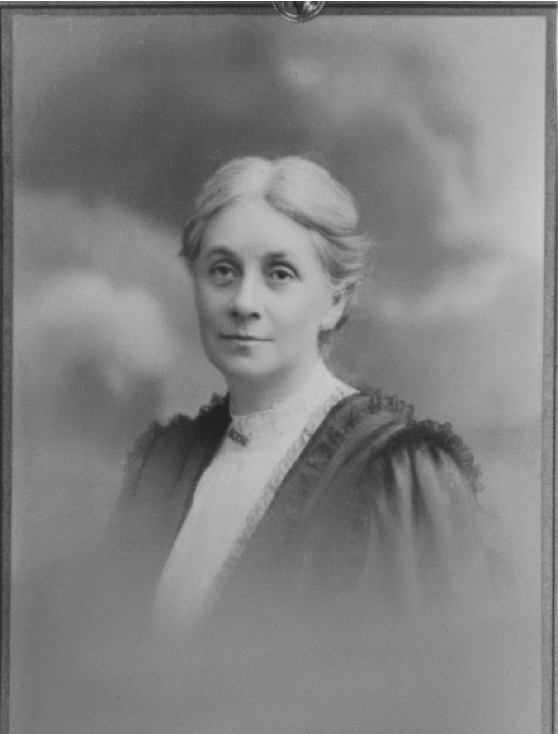
Early days in London with her daughter
Louisa moved to London from Manchester in 1921 with her youngest daughter, Caroline Lejeune.
For the daughter, it was a “final leave taking”. Caroline went there on a graduate school scholarship, but had aims to become a film critic. Her mother accompanied her, as she was by then a widow and all of the other children had either emigrated or were otherwise settled in other parts of England.
Caroline speculates in her book “Thank You for Having Me”, that Louisa assumed her daughter would grow tired of London and want to move back to Manchester. They lived in a temperance hotel in London for their first few weeks there and looked for furnished flats to live in. They were both horrified by how people in London lived – “ a world of airless semi-darkness, among dustbins, with the over-whelming odors of stale cabbage and carbolic.” This after a rather large home in Manchester with a maid and a garden, would have been a challenging transition.
Louisa managed to convince the family’s nannie Lizzie to move to London to be with them and help them through their first few months in London. She made the mother and daughter home made bread and sweets and made their London apartment feel like home.
In 1922 Caroline LeJeune was offered a regular column critiquing films for the Manchester Guardian, based in London. She relinquished her graduate scholarship and they were in London to stay.
A flat in Chelsea and the 1924 cousins visit
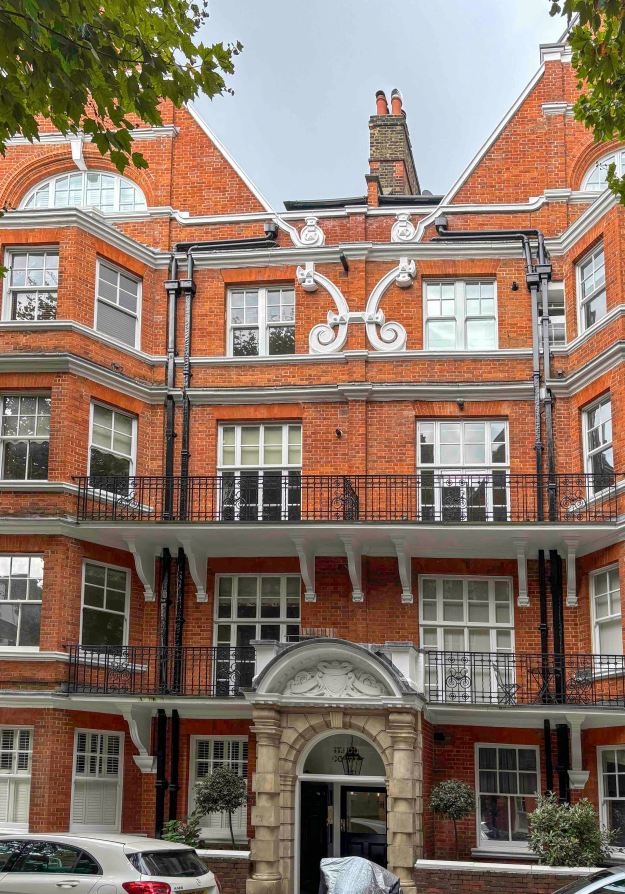
Louisa and her daughter found a flat in Chelsea in St. Loo Mansions, with their furniture finally sent down from Manchester, after a year of living in furnished flats around the city. By then Louisa had no doubt that their future was to be in London.
Louisa was well over 60 by this time. Lizzie the maid was still with them and cooked their meals for them.
Eventually Caroline married her husband, Roffe Thompson, and they lived amicably in London, often taking their car and driving to the coast and back on the weekends, where one of the daughters Franziska and her husband had a small farm.
In 1924 it so happened, as the famous Wembley Exhibition debuted in London, that several of Louisa’s children who had emigrated overseas returned to England. Her daughter Marion returned from Canada with daughter Ruth and son Stephen, and her son Russell with his wife Rachel and their daughter Josceline visited from Australia. Her son Arnold and his wife Gladys and their two children Diana and Michael were preparing to emigate to California. Louisa wanted all of the cousins to get to know each other.
So she rented a house in Steyning, which was actually a small boarding school and they all stayed together for a spell.
It was always important for her to keep the family connected – through letter writing and connecting family members with each other.
Pinner Hill and her last years
None of them had ever taken to living in busy London.
In 1925 they found a development in a new private estate in Pinner, on Pinner Hill. Louisa found a house that had been just finished with a ½ acre garden. It was a pretty house, with four bedrooms and two sitting-rooms, enough to host the family who may have been visiting at any given time. And so Louisa bought it.
And it had a garden. Louisa loved gardening. She loved to pore over plant catalogues and poke little things into rockeries. She filled diaries with botany notes and names and descriptions of wildflowers.
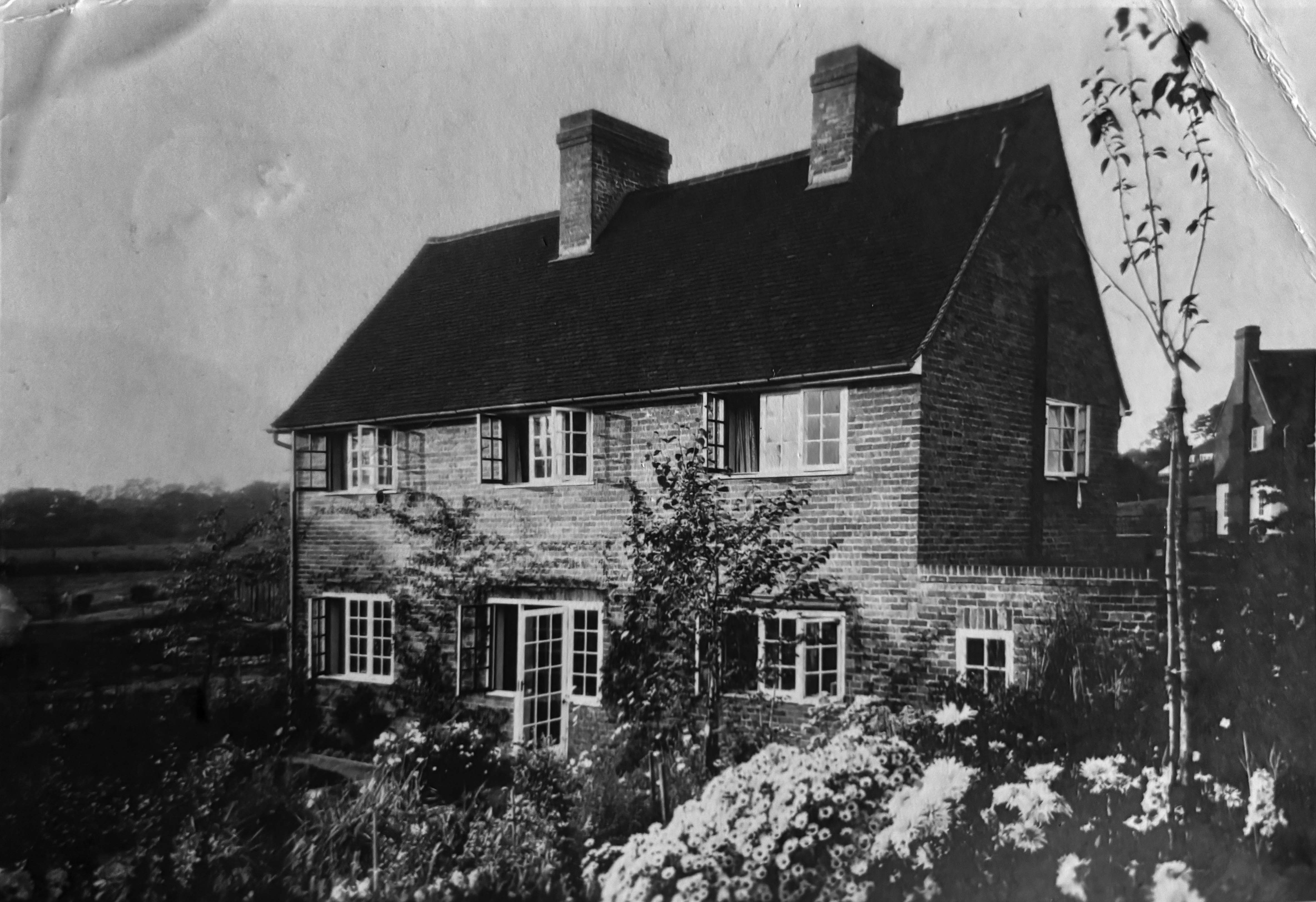
Nowadays “Pinner” is a suburb of London with golf courses and some rather posh homes. One imagines what it must have been like when it was far from London and considered countryside.
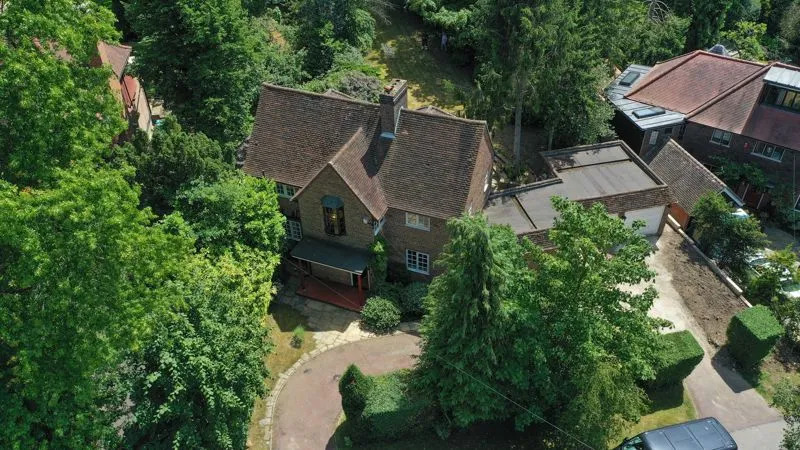
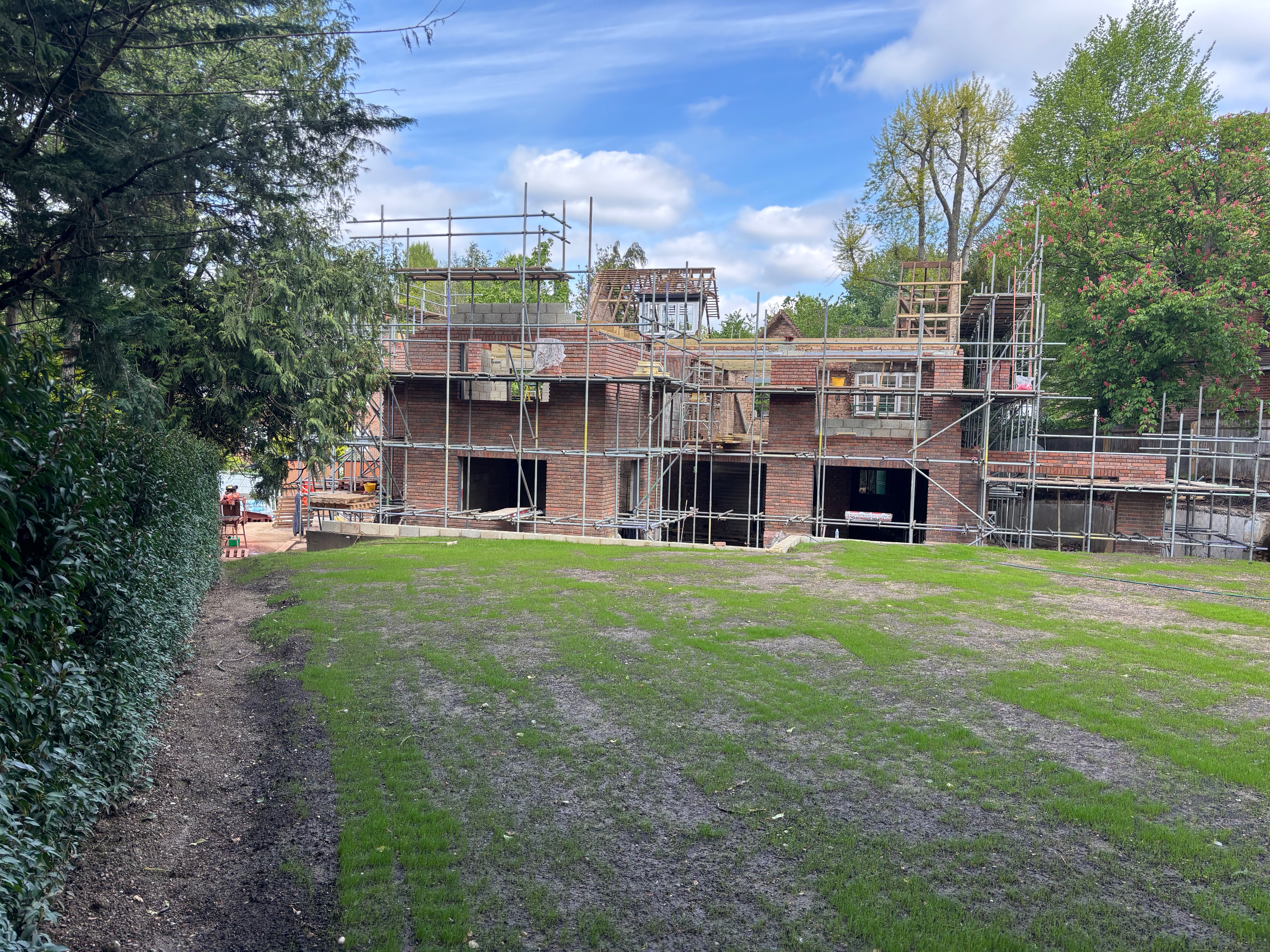
In 2025 the house underwent extensive renovations, its older form buried and unrecognizable in the new version.
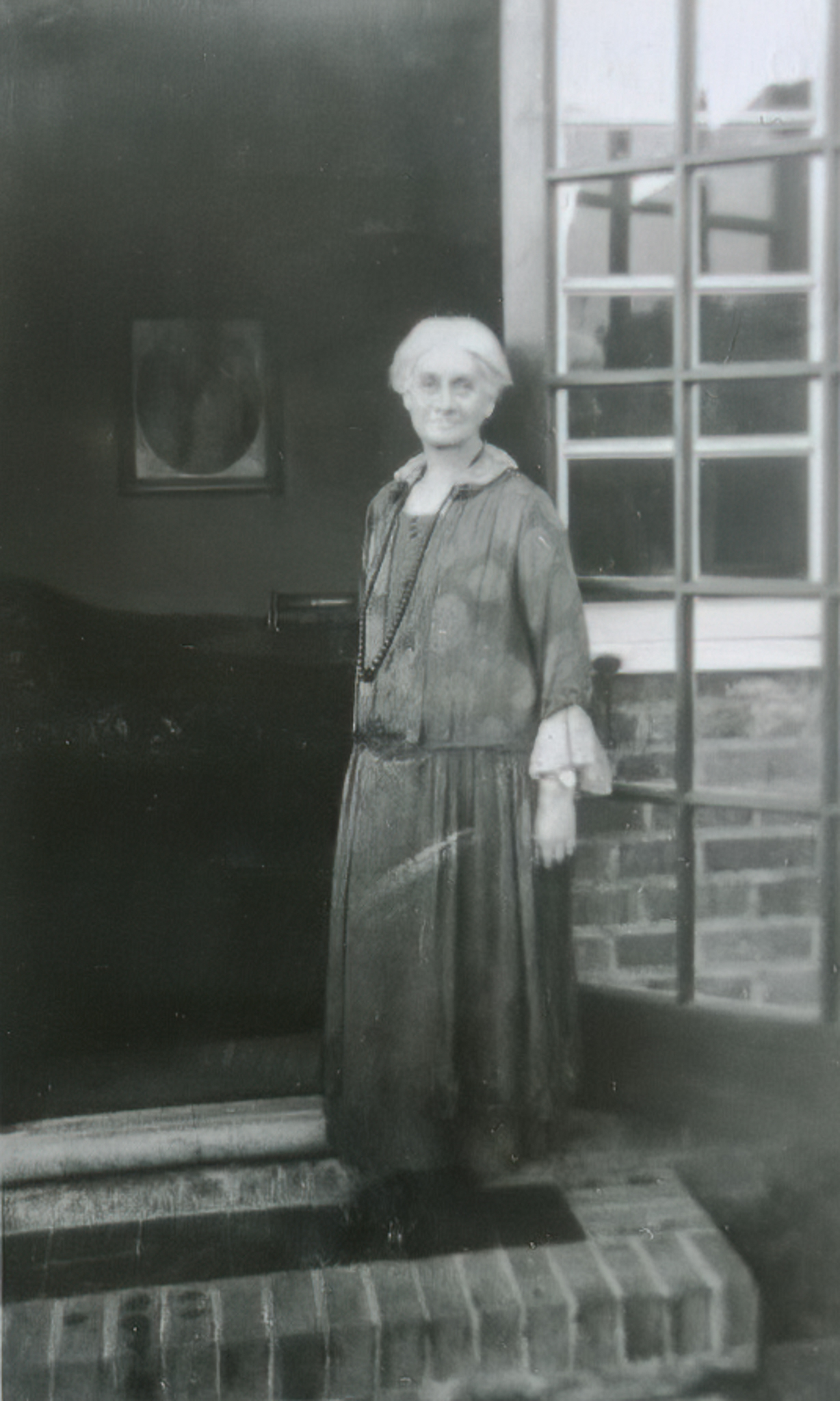
Louisa lived happily there until she passed away in 1936. Her daughter describes that she had been sick one day, not feeling well, and then passed away quietly a few days later from pneumonia. She was an independent person and all of her affairs had been left in order when she died, very practically and sensibly.
How she’s remembered
Mrs Smith (a close friend of Louisa’s) said after her death. “I loved Arnold’s mother very dearly and still miss her visits, so full of rich humour and still richer understanding. No one else has ever seemed to me so swift and certain in human understanding; so wide and generous in opinion and so comfortably unshockable. I still find myself, so-to-say, telling her things and imagining what she would think and say.”
 The Marion Project - A Family History