
Born: 22 December, 1885 Manchester, Lancashire, England
Died: 29th May 1931, Boodanoo Station, Mount Magnet, Western Australia

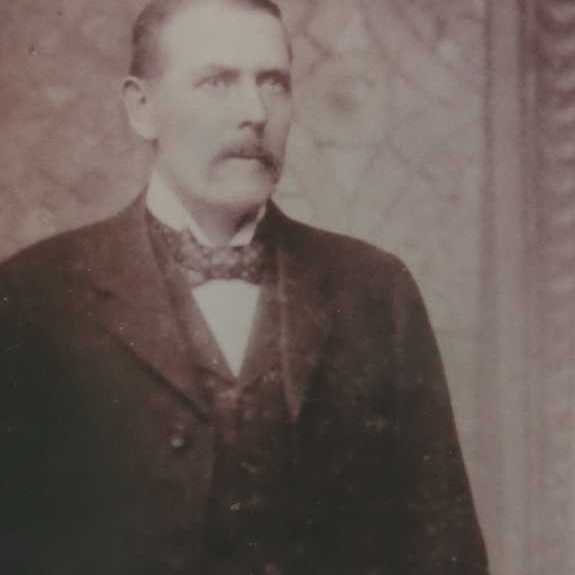
Russell’s Birth
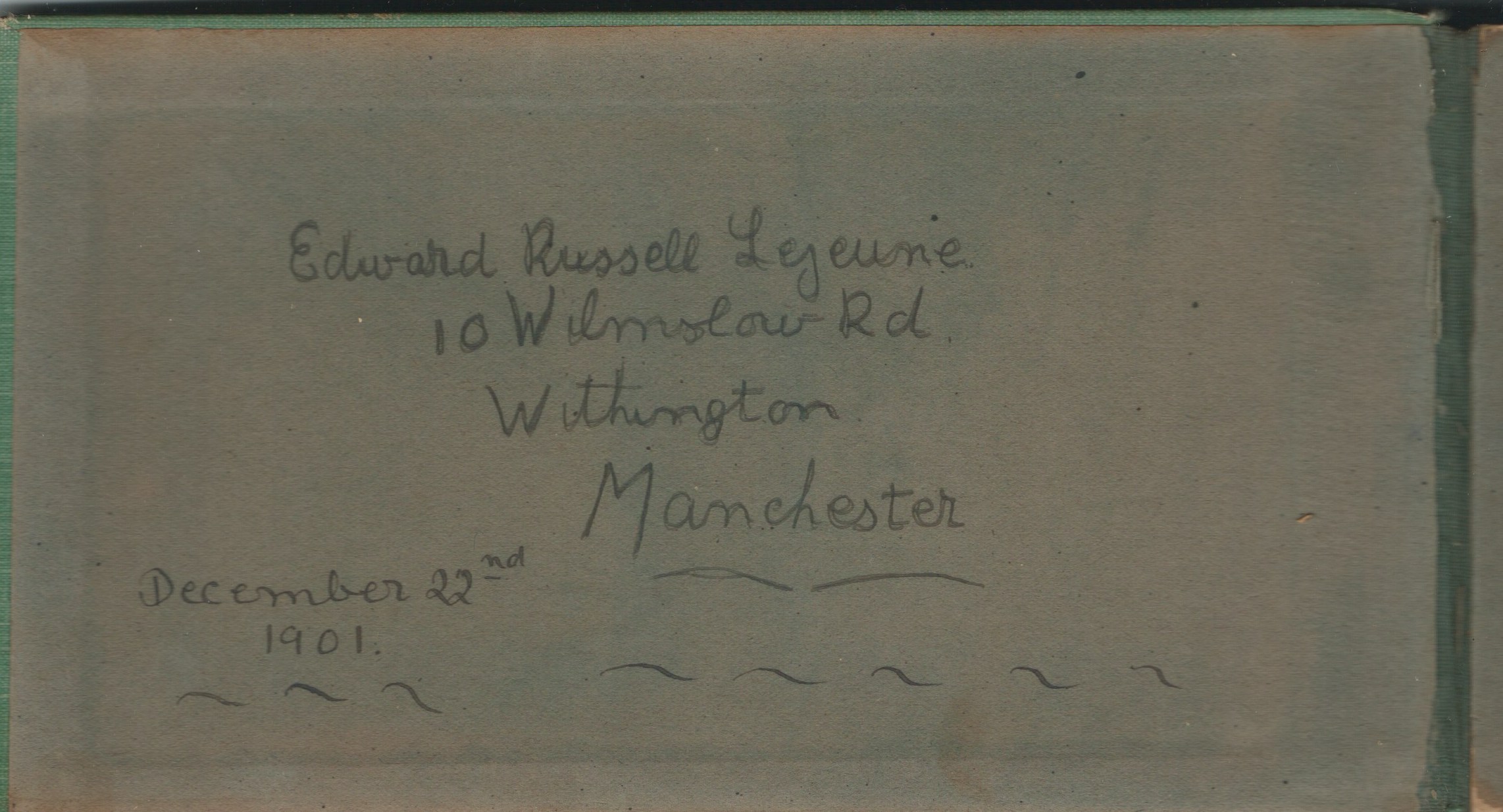
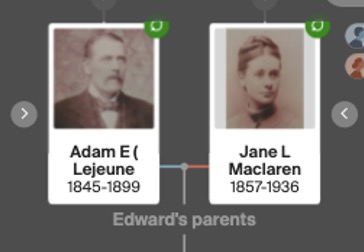
1885 – Edward Russell Lejeune was born on the 22nd December 1885 in Manchester, Lancashire, to Jane Louisa McLaren, age 29, and Adam Eduard (Edward) Lejeune, age 41. When he was born his sisters were the following ages: Franziska Marion (Cissy) was seven, Marion was six, Juliet was five, Helene was four and his older brother Gustav Alexander (Alick) was two years old.
Birth of Brother
1888 – His brother Francis (Arnold) was born on 2 April 1888 in Withington, Lancashire, when Edward Russell was 2 years old.
Birth of Sister
1897 – His sister Caroline Alice was born on 27 March 1897 in Withington, Lancashire, when Edward Russell was 11 years old.
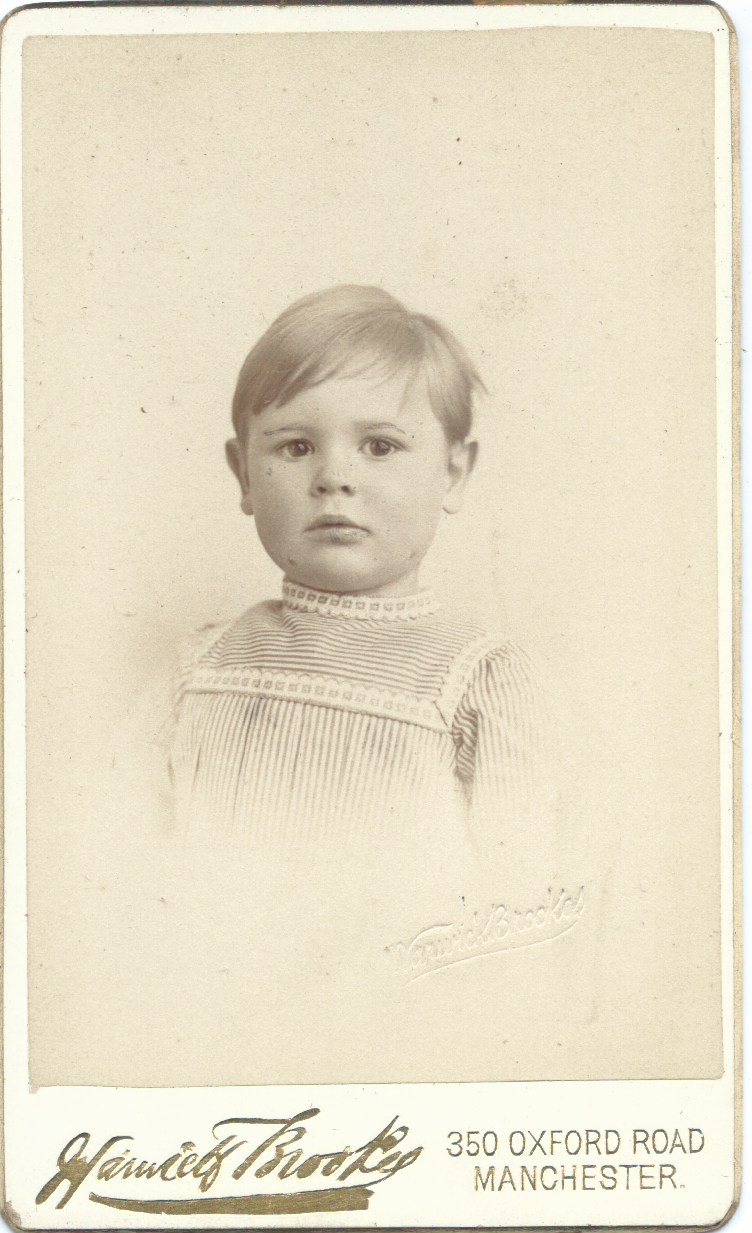
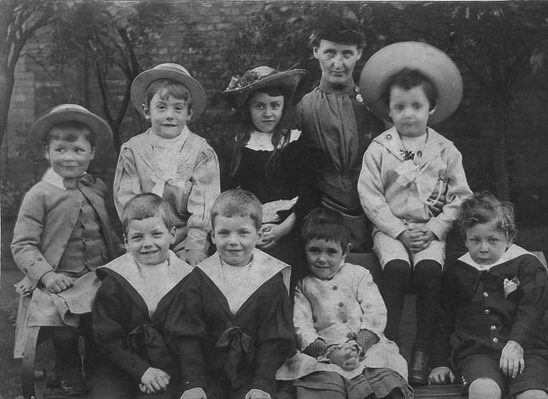
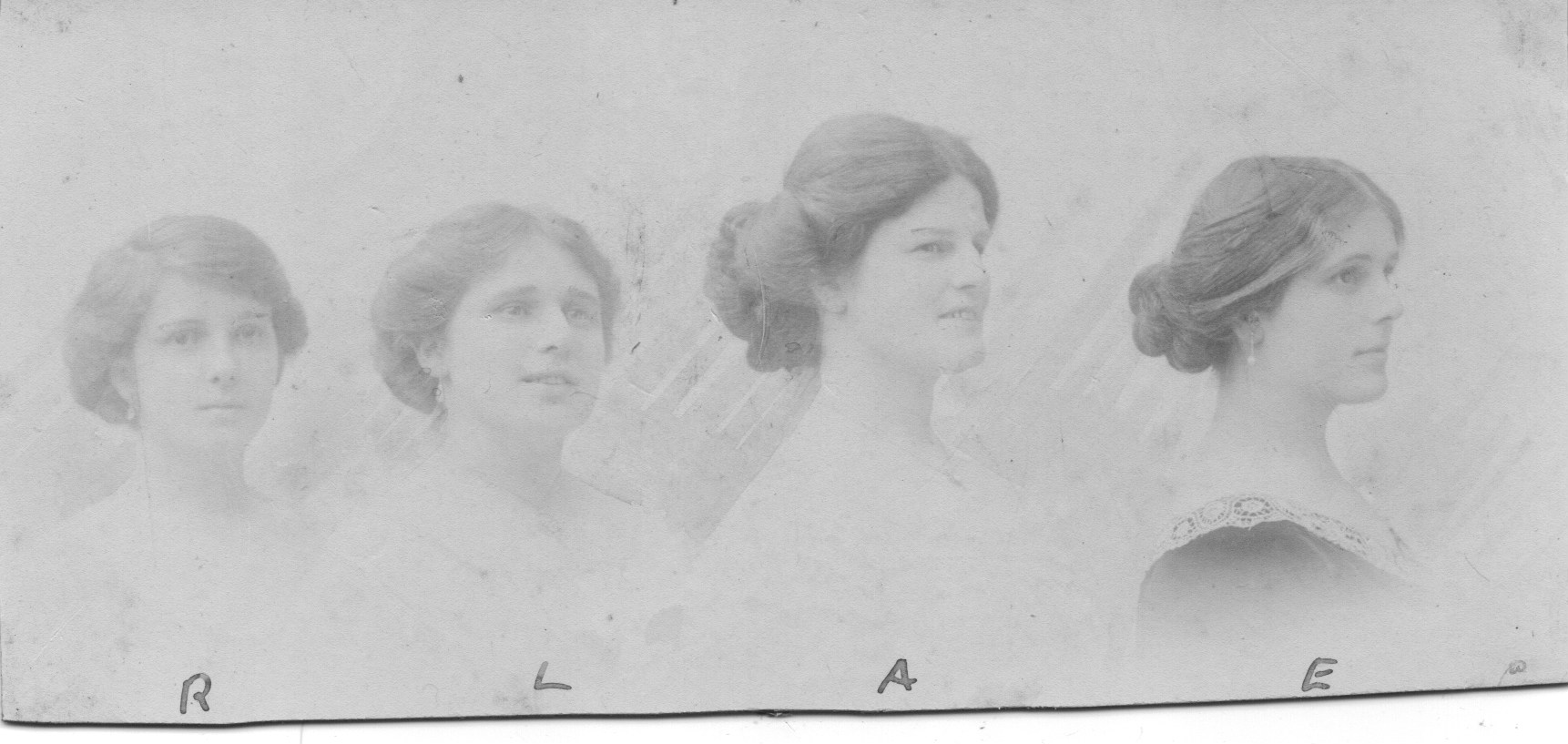
ERL Album: Ladybarn House Kindergarten – Far Left Russell Lejeune, far right Francis Arnold Lejeune
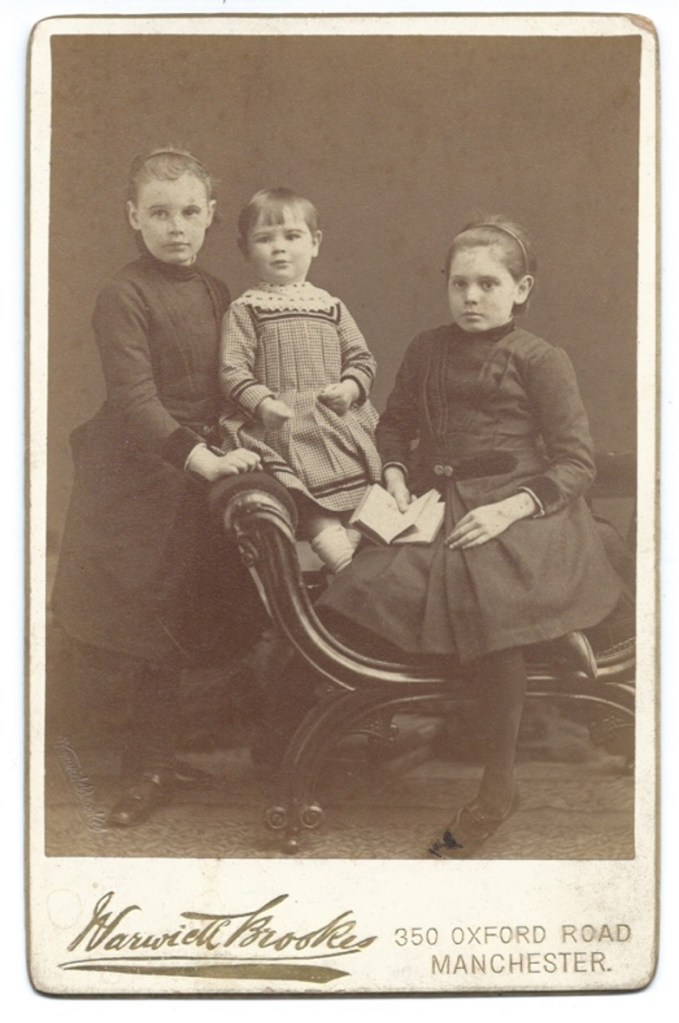
Lady Barn House School
In 1890/1891 Russell and his younger brother Francis (Arnold) attended the Lady Barn House kindergarten (see above). As far as we know all of the Lejeune children attended Lady Barn House for their primary education. It was founded by Caroline Herford’s father (a friend of Jane Louisa’s), “an immensely energetic Victorian with liberal and advanced views on education.” (C.A. Lejeune).
Residence
In 1891 when Russell was five the family was still living in Withington, Lancashire at ‘Lyndhurst’, number 10 Wilmslow Rd. His sister C.A. Lejeune later described it as a tall, yellow brick house in Manchester halfway between Withington and Fallowfield.

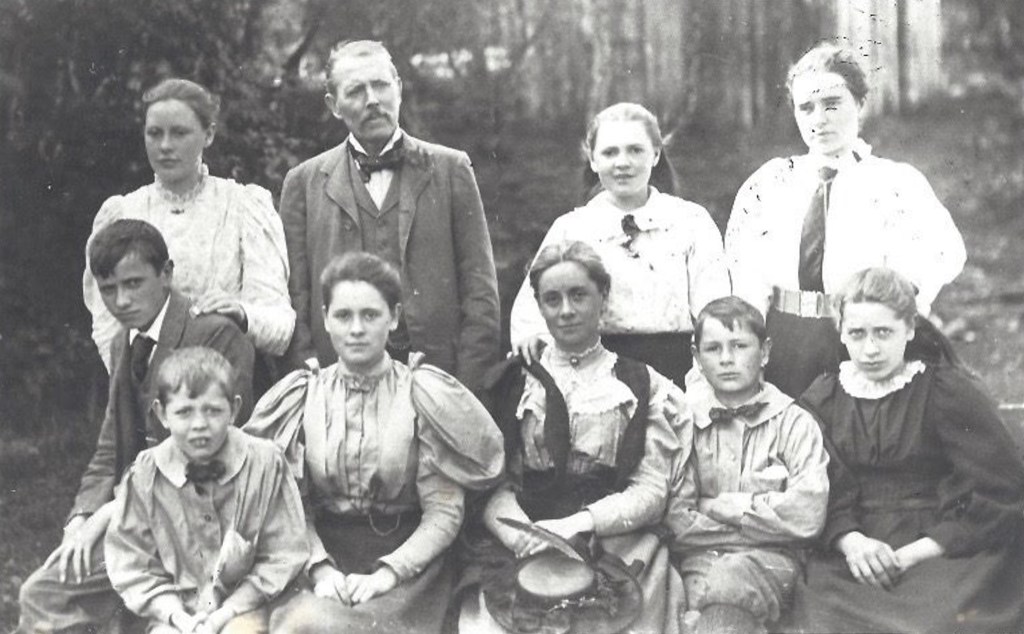
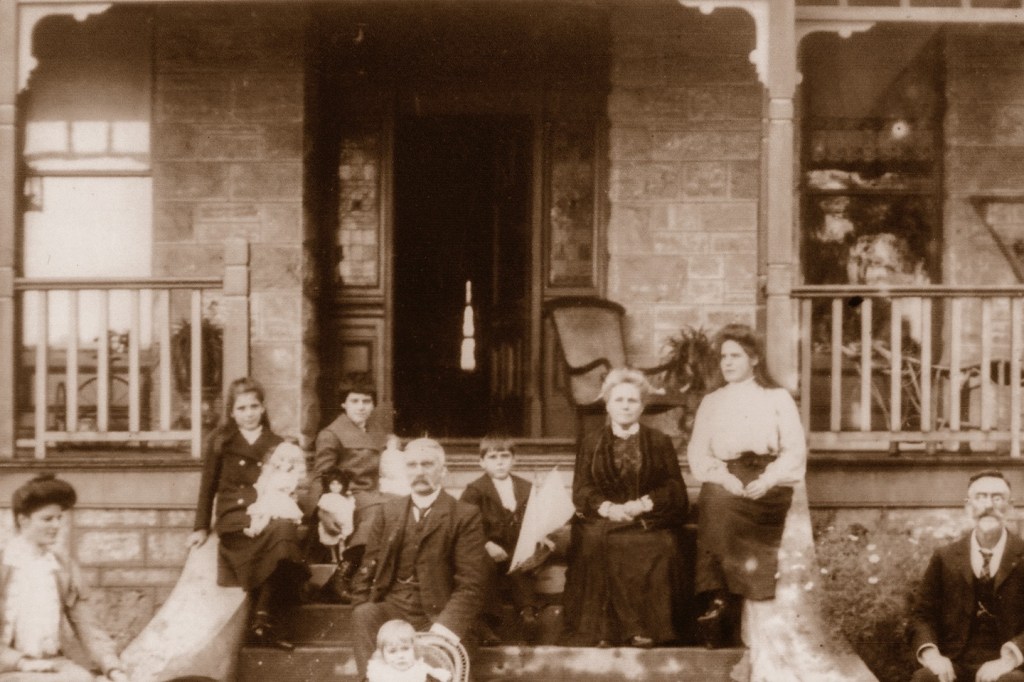
Photo above: The Lejeune family and friend circa 1894
Back row: Marion, Adam (Eduard) Lejeune, Helene, Isobel Alice Lunt (friend & later to marry Max Enkes brother Peter) Centre: (below Marion) Alick Front Row: Francis (Arnold), Franziska, Jane Louisa, Edward (Russell) and Juliet. This photo predates the birth of Caroline.
Family Holidays
C.A Lejeune in her autobiography Thank You For Having Me writes “Mother was a firm believer in regular holidays away from home. From early days I can remember, dimly, a great family exodus in August…Easter holidays were mostly spent at Silverdale, a tiny village close to Morecambe Bay…Summer holidays were more promiscuous. We never went twice to the same place in August, Mother believing in the virtue of a change of scene. I can remember staying near a lighthouse on the Isle of Wight…and in particular a month at Brough in Westmoreland, in a farmhouse just a stone’s throw from the ruins of Brough Castle.”
The Death of Father Adam Eduard
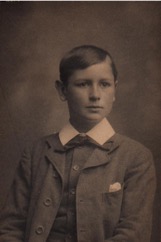
1899 – Russell was 13 when his father Adam Eduard (Edward) passed away on 28 October 1899 whilst on a business trip in Neumunster-asile Zürich, Switzerland. He was aged 54. Jane Louisa is pictured left with a young Caroline Alice. She appears to be dressed “in mourning”.

Schooling
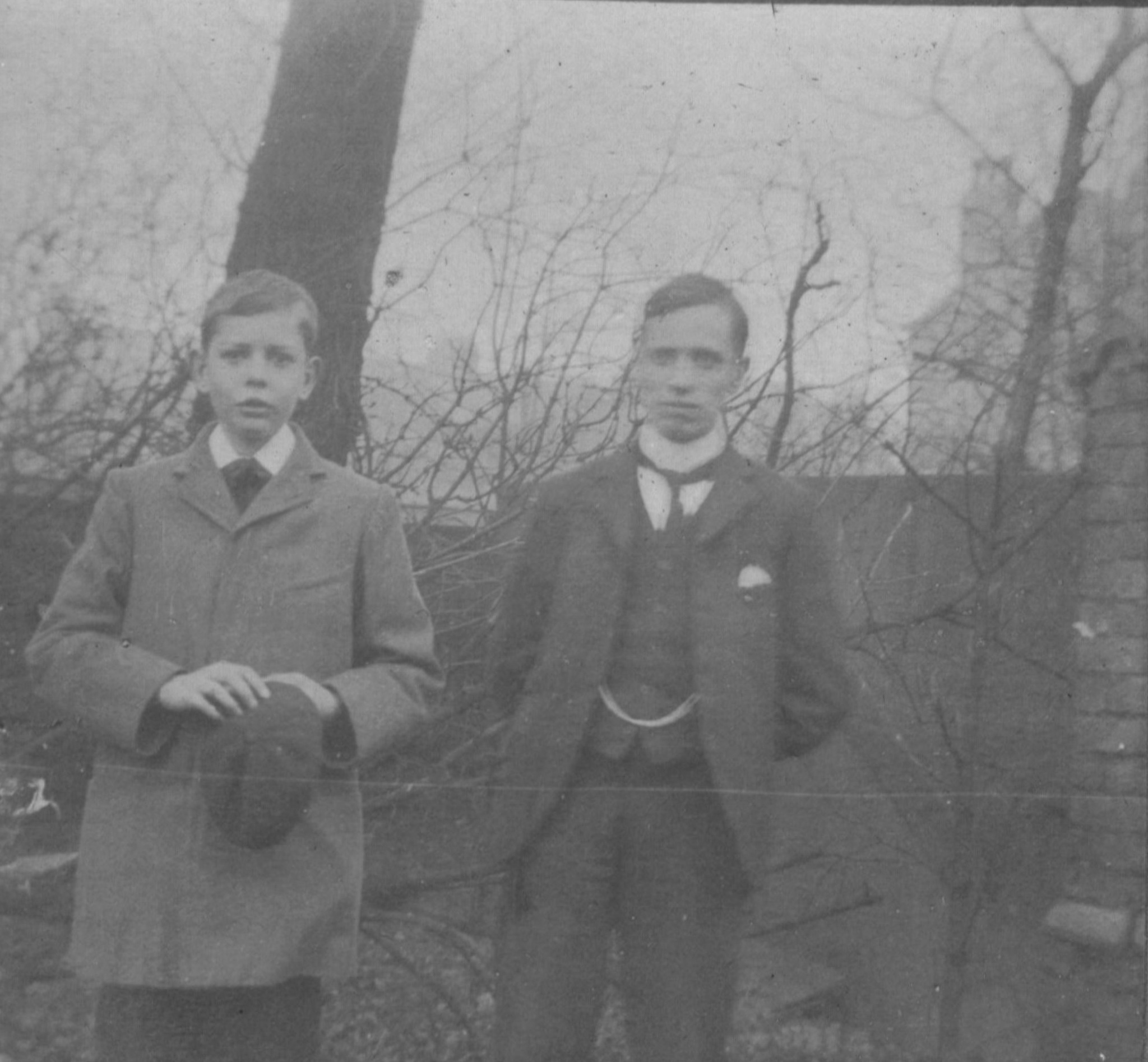
1901 – At 15 Russell attended boarding school in St Wilfred’s Parish, Haywards Heath, Sussex. In the 1901 census it is referred to as Brunswick (young gents school). In Russell’s family photo album that he brought with him to Australia, along with family members, there are photos of Russell’s school headmaster Mr Thring, his gym and drill sergeant, and football and cricket teams. According to his daughter Josceline Lejeune (Thom), Russell went on to study Engineering at the University in Manchester.




1906 – Russell departs for Western Australia
Mr R.E. Bush
Josceline Lejeune (Thom) in an oral history interview in the early 1990’s recounted the story of Russell’s decision to move to Western Australia.
She said “Strangely enough, the man who had a lot to do with opening up the north Mr R.E. Bush had been out here, bought up enormous tracts of land around Carnarvon and north of Meekatharra. When he went back to England, he went to see the Lejeune’s who were friends of his. My father (Russell) was there and having started an engineering course at the University in Manchester, and not being very happy about it, Mr Bush said to him “Why don’t you go out to the colonies?” Which is what he did. On the way out he very nearly left the ship and thought he’d settle in South Africa but fortunately for all of us he continued on.”
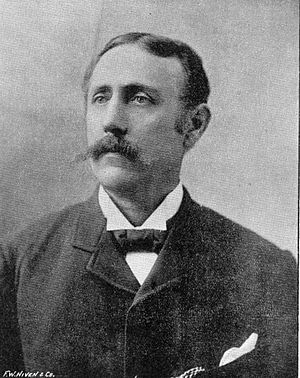
On the 20th January 1906 Russell Lejeune departed from Liverpool, England on board the steam ship SS Afric arriving in Albany, Western Australia.

On the Outward Passenger record he is listed as 20 (in fact 19 soon to be 20) and his profession is described as an engineer.
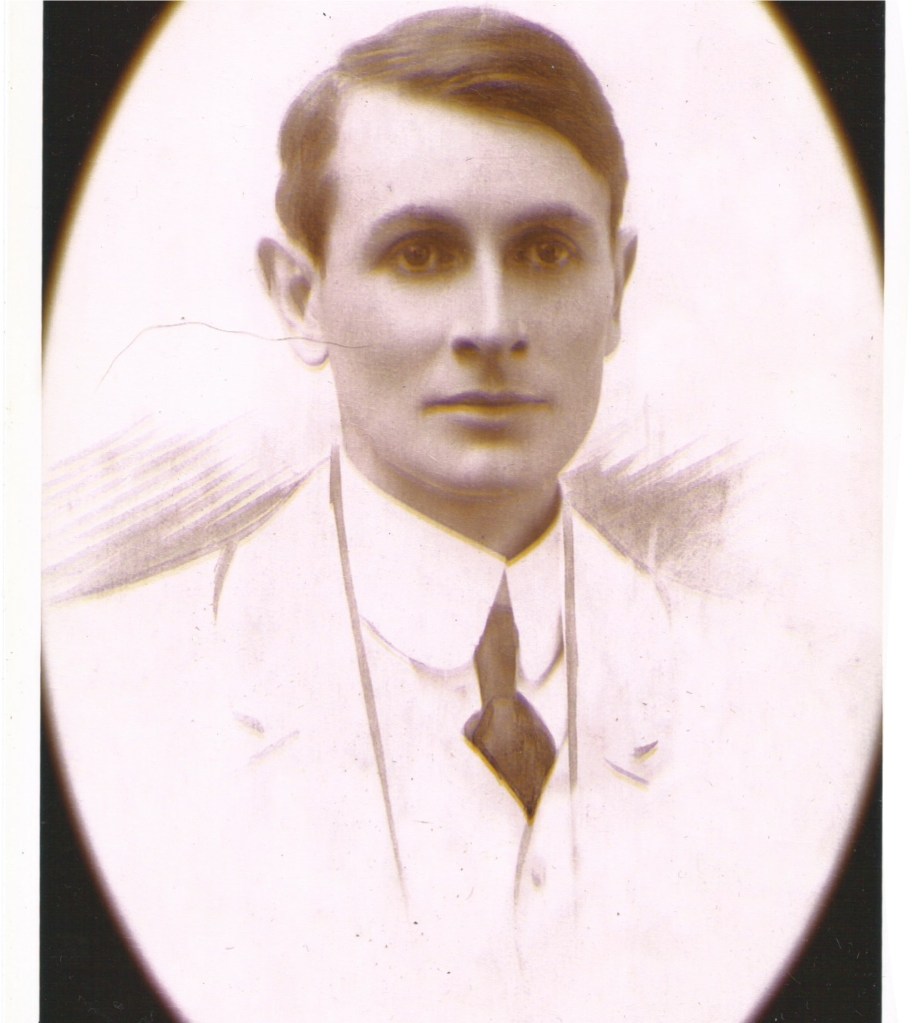
Tibradden Station
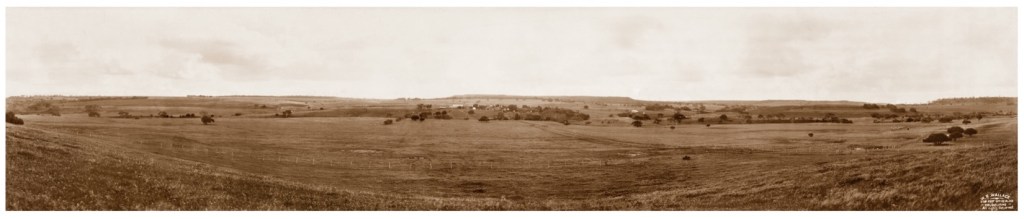
On arrival in Western Australia Russell made his way north to Tibradden Station near Geraldton to work as a Jackaroo and learn about life on the land.

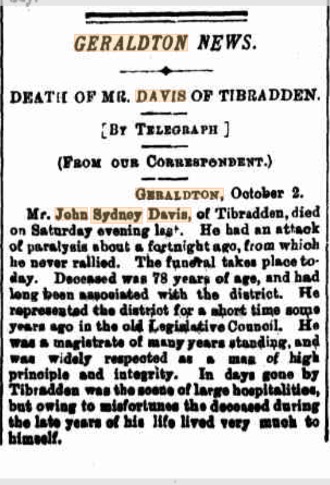
Tibradden had been established by John Sydney Davis. Born in Galway, Ireland, in 1817, Davis arrived in Western Australia on the ship Trusty in 1842. (Rita Erickson, Vols 1 & 3). He was involved in the running of sheep in Hotham River and the York district and then in 1850 managed a station east of Geraldton.
In March 1852, Davis in association with Major Logue and James Walcott took up a large tract of leased land east and northeast of Glengarry and were known locally as ‘The Pastoral Company’. Initially joining forces owing to “the expected hostilities in the new district”, the three men worked co-operatively to establish the pastoral properties over the lease of 40,000 acres, including the construction of three small homesteads and some associated infrastructure.
John Sydney Davis
Not long afterwards the land was divided into three; Mr Walcott took Minninooka, Mr Logue took Ellendale and Mr Davis took Tibradden, which consisted of approximately 25,000 acres of leasehold property. He retained the name Tibradden for his portion which was the name of the Davis family property Tibradden Hall in County Wicklow, Ireland.
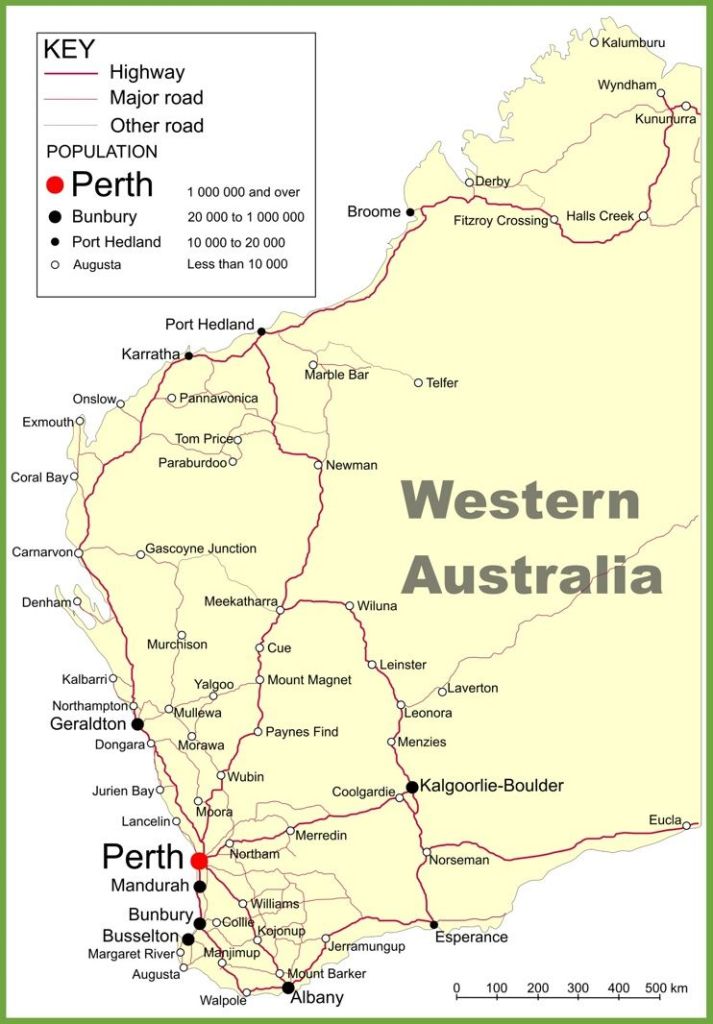
Tibradden is located about 26 kilometres (16 mi) northeast of Greenough and 35 kilometres (22 mi) east of Geraldton in the Mid-West region of the state.
The traditional custodians of the Geraldton, Greenough and Mullewa region are the Yamaji Aboriginal people.
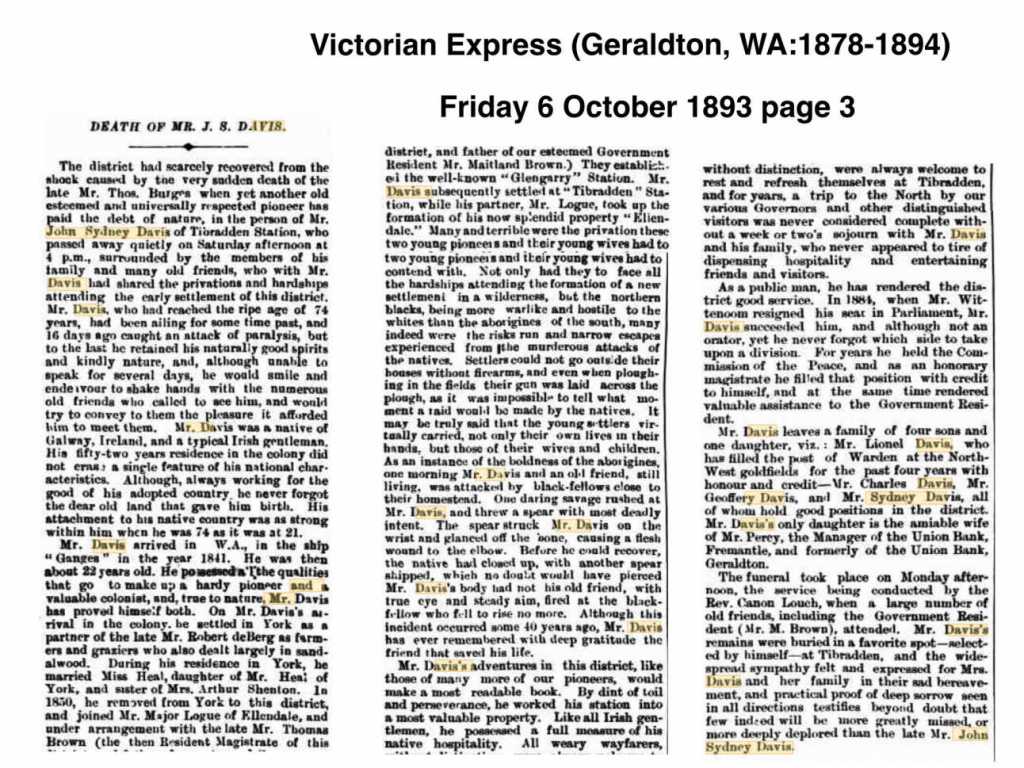
In J.S Davis’s obituary (below) written in 1893 a grim picture is painted of the struggle between the Yamaji and the new pioneer/invader occupants.
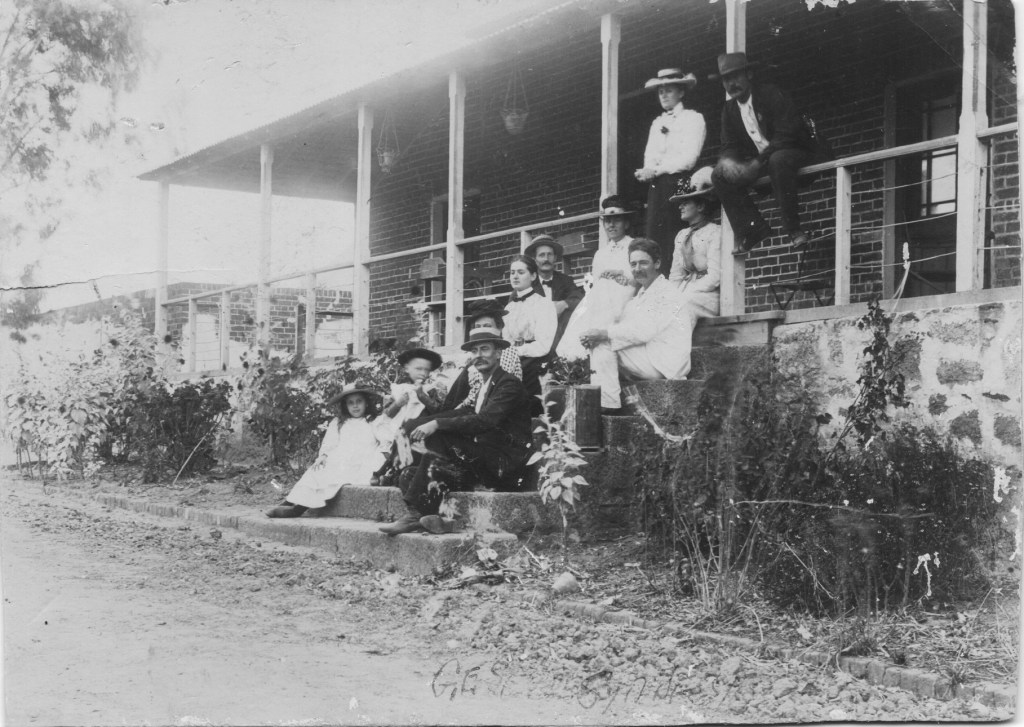
The original homestead on the property was a long, low cottage of pug wall construction with a roof thatched with rushes found growing around the nearby springs. (Halley & Wilson, p.26)
It was to this cottage that Davis brought his wife, Sarah Heal whom he had married on 7 March 1854 in Guildford. The couple had two daughters, Elizabeth Susan (born 2 January 1855 and claimed to be the first white girl born in the Champion Bay area (Geraldton Express)) and Amy Mary (born 1856, died in 1866 and buried at Tibradden Cemetery); and four sons, Lionel Richard (born 17 October 1857), Charles James (born 1859), Geoffrey (born 1861) and Sydney (born 1863). (Erickson, p.200)
By the 1870s, “Mr Davis had a fine large house built of stone, with a natural water supply, and there were springs that enabled him to grow all kinds of vegetables and fruit, especially oranges. At that time he had three of the largest orange trees I ever saw in the colony…” (Hammond, p.37)
Tibradden was described as, “one of the social centres of the district, and governors and other distinguished visitors were entertained there, as it was the last port of call for travellers to the Murchison.” (Halley, p.26) One of those visitors in 1874 was explorer and former Premier of Western Australia, John Forrest, who spent the first night of his overland trip at Tibradden.

Sarah Heal was born in Somerset, England in 1821. In 1930 when she was nine years old, Sarah’s family made the journey to the fledgeling Swan River Colony. The party that left from England on board the “Minstrel” included: her father, Lieut. Charles Heal R.N. (an officer retired post Napoleonic Wars), her mother Sarah, their 5 children plus 8 relations and two servants. The first emigrants to the Colony had arrived just the year before in 1929. Sarah was the second child and the eldest daughter. Two more children were born in the colony. Life was difficult in those early years, people were ill prepared for pioneering, food was scarce as the colony was not yet able to produce its own food supplies and ships bringing provisions were few and far between. Life was made more difficult for the family when in 1932 at the age of 44 Charles died. He had been in the Colony for only two years.
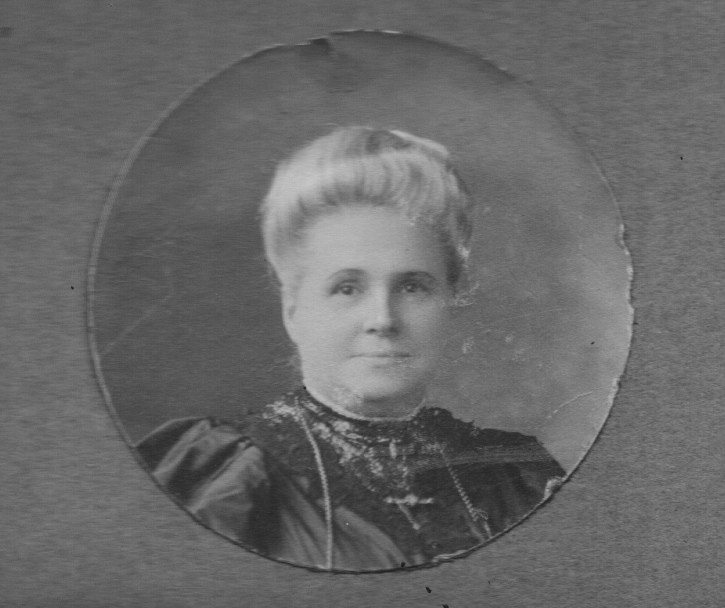
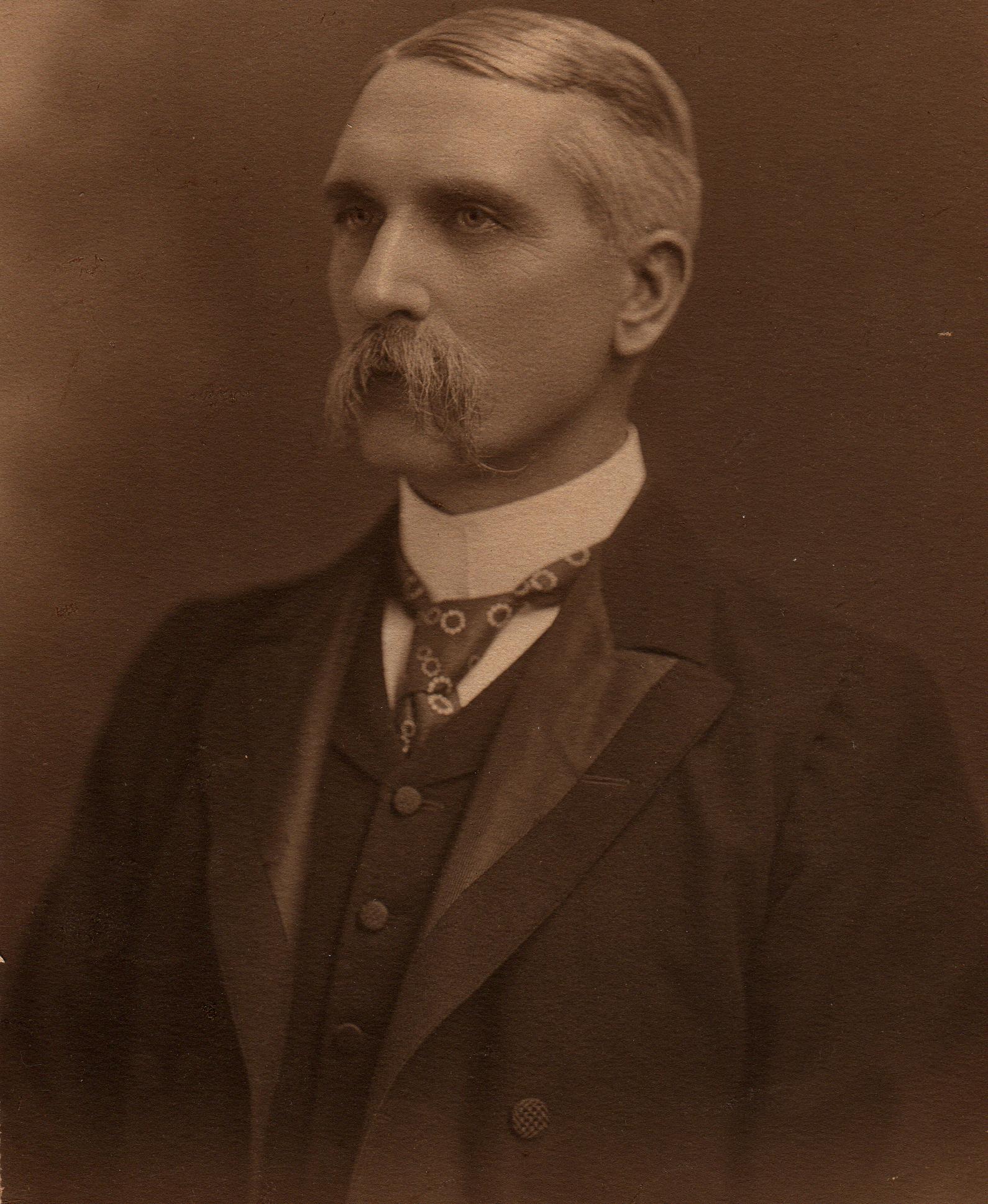
Elizabeth (Bessie) Davis and her husband Joscelyn Beverly Percy
After the death of J.S. Davis in 1893, Tibradden came under the ownership of his eldest son Lionel Richard Davis and his son-in-law (his eldest child Elizabeth A.K.A Bessie was married to Percy). Joscelyn Beverly Percy, originally from England, had been posted to the Geraldton branch of the Union Bank. By 1893 he was the manager of the Union Bank in Fremantle.
Russell Lejeune arrived at Tibradden in early 1906, soon after the death of Sarah (Heal) Davis on the 16th January at the age of 84.
By 1907, Percy and Davis were experiencing some financial difficulties and in April, parts of Tibradden were offered for sale.
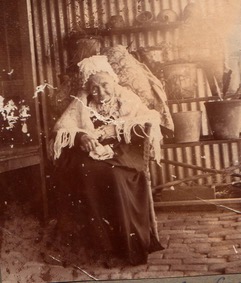
The mortgage on Tibradden was discharged on 23 December 1909 and a fortnight later the partnership of Percy and Davis was dissolved. (Certificate of Title). J.B Percy kept the homestead and the eastern section of the property whilst Lionel Davis had as his share (Kojarena) approximately 6,000 acres of Tibradden.
Russell Lejeune meets Rachel Percy
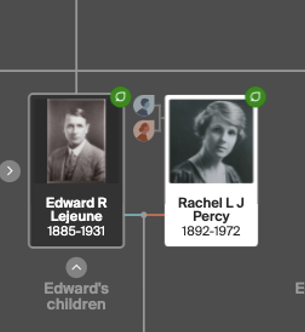
It was at Tibradden in 1908 that Russell first met Rachel Leta Josceline Percy. Rachel was visiting the property with her family from Melbourne. Her father J.B. Percy was at that time the Manager of the Union Bank in Melbourne.
They fell in love and so the story goes her mother Elizabeth at some stage during the stay reprimanded her severely for sitting on Russell’s lap. Rachel, so innocent, thought this could cause her to have a baby. There is a record of the Percy family returning by boat to Melbourne from Fremantle on December 17th, 1908. Rachel was 16 at the time.
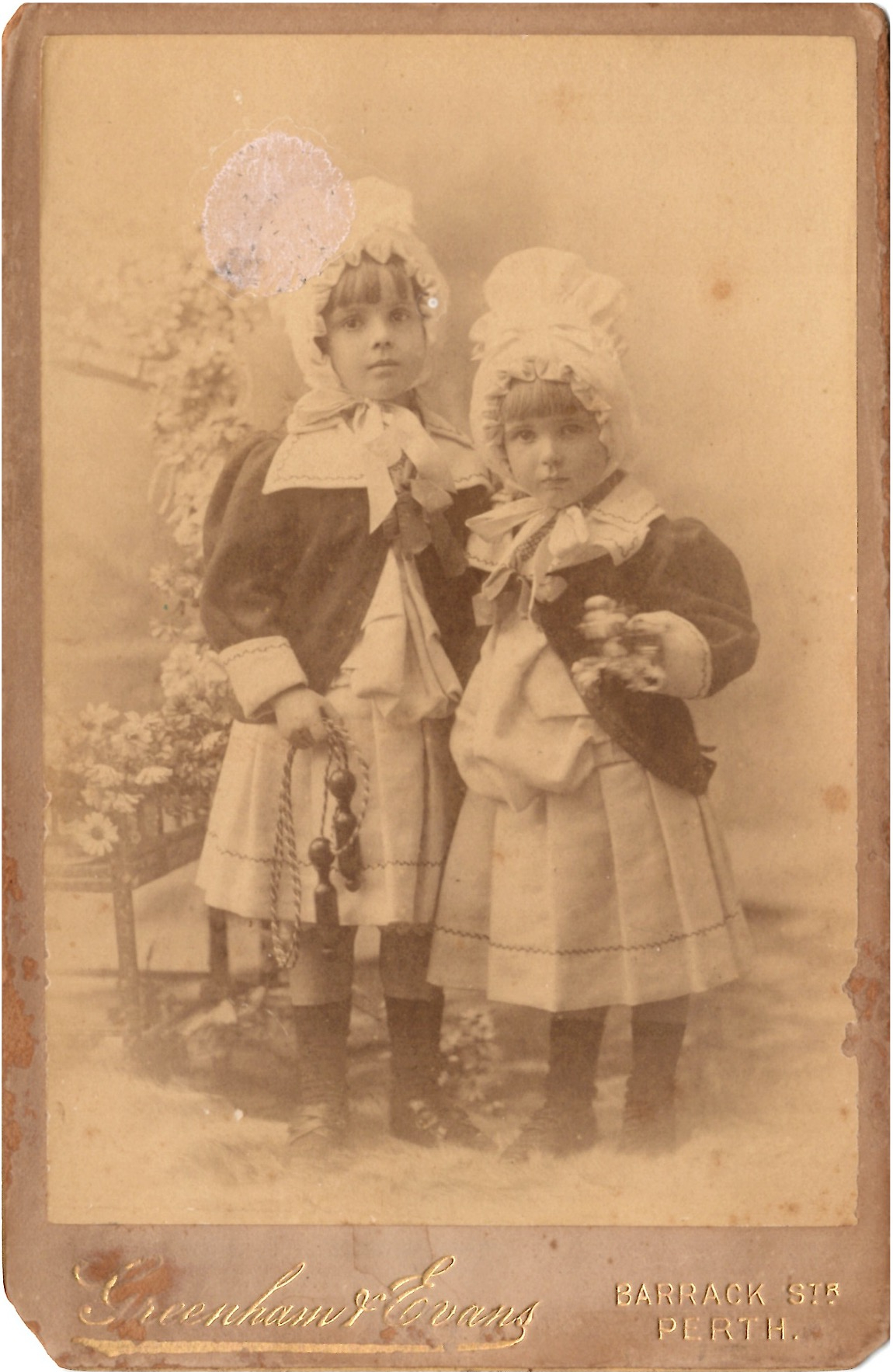
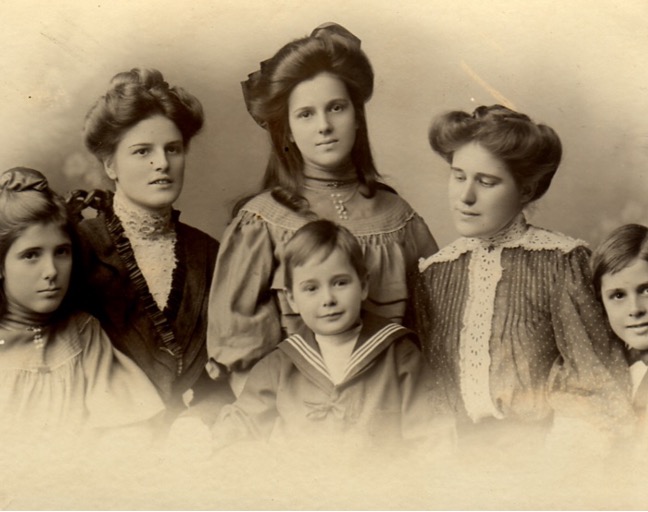
Left: Rachel and Evie Right: Evelyn, Amy, Rachel, Reginald, Lilla, Joscelyn
Boodanoo Station
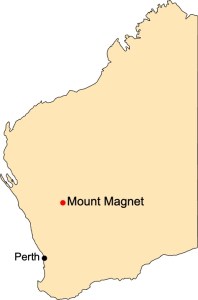
Russell worked at Tibradden until he was able to take up the lease of Boodanoo, near Mt Magnet in the Murchison River region with his silent partner Walter Vernon Sewell. Vernon, as he was known, was a near neighbour on Sandsprings, a few miles from Tibradden. (Vernon’s son Eric would later marry Russell’s daughter Ayris.)
Mt Magnet was about 320 kilometres north east of Geraldton and compared to Tibradden its climate was arid and its rainfall was low.
Boodanoo means stony place in the local Buddiamia language. This gives us an idea of the challenging nature of the terrain.
Though the land was dry and stony it was considered to be suitable to graze sheep, and there was lots of money to be made in raising sheep for wool.

A camel team carting sheep wool
Boodanoo North
1910 – Russell moved to a camp on the north end of Boodanoo in about 1910. The cottage built by Russell at the north end, later become a home for Nellie Smith (the cook). At this time Russell and Rachel become engaged and it would be five years before they could marry. Russell embarked on establishing a sheep station and building a house for his new wife to come to. (See David Lejeune’s Murchison Memories for more detail). Russell employed Jimmy James to support him in the development of the property. David Lejeune writes “Russell lived pretty roughly, and my mother told me that he suffered food poisoning. (There was no refrigeration and probably no Coolgardie safe).

Before fridges existed, many households kept food cool inside a Coolgardie Safe, which was invented in the late 1890s. The safes used water to trickle down through the hessian covering, as an evaporative cooling device.
The only transport was a motorcycle (probably with a side car). By 1912 the drought was breaking and by 1913 wool prices were up. Russell then engaged a builder to construct a house, with four bedrooms, separate kitchen, dining rooms for family and male workers and verandahs all around the building. By 1914 the paddocks were fenced and the “shearers excellent. 5/-per 1,000.” (From Russell’s diary).”
World War I (1914-1918)
Caroline Alice (C.A.) Lejeune’s autobiography states that “Russell tried to join up in Australia but was rejected by the medical board. (Varicose veins, the family heritage, exacerbated by much hard riding.)” Russell’s son David found it unlikely that he would walk off the property after all his hard work. He thinks it more likely that he was “man powered”. David is referring here, I think, to World War II in which people were exempted from military service if they were in a reserved occupation. At the outbreak of WWI, on the 28th July 1914, many men volunteered to enlist in the newly formed Australian Imperial Force (AIF) to serve overseas. However, despite two attempts to introduce conscription the Australian Government was never able to make war service mandatory during WWI. It seems more likely that Russell was disinclined to go. He’d committed himself to life on the land in Australia and was in a longstanding engagement with Rachel, at that time far away in Melbourne. As well as all of this his french huguenot name camouflaged the fact that on his fathers side his family were from Germany.

Marriage to Rachel
1915 – Russell travelled from the Port of Fremantle to join Rachel in Victoria, arriving on the Katoomba on the 24th of March. They were married on the 29th of September in South Yarra, Melbourne. Russell was 29 and Rachel was 23. It was a double wedding with Rachel’s sister Lilla marrying Mr Percival George Wykeham Bayly on the same day. For Russell and Rachel it had been a seven year long courtship marked by separation.
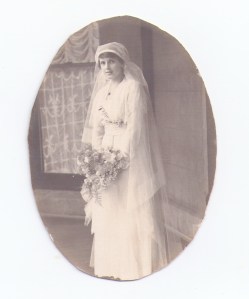
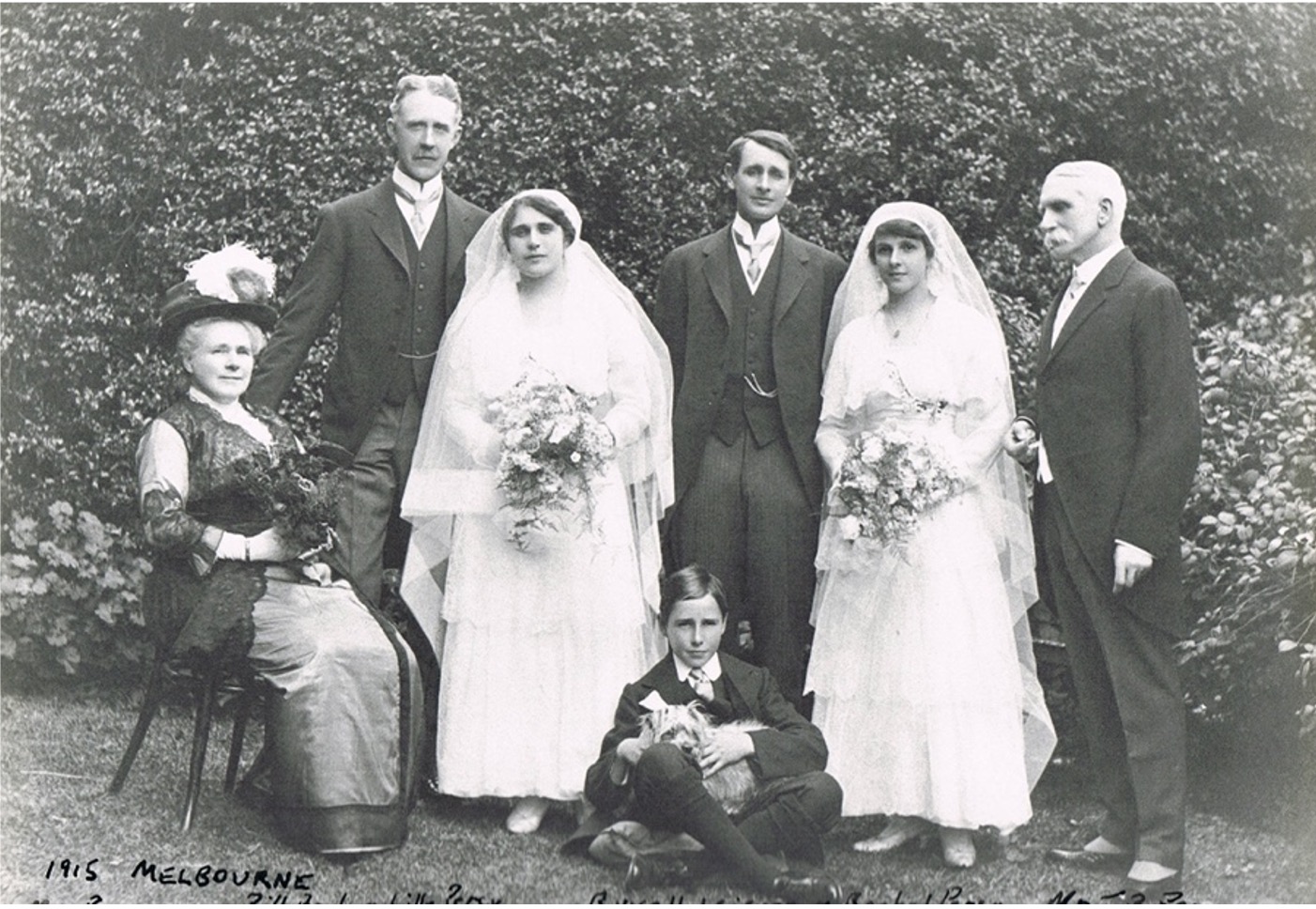

Wedding party left to right: Bessie Percy, George Bayly, Lilla Percy, Russell Lejeune, Rachel Percy, J.B Percy
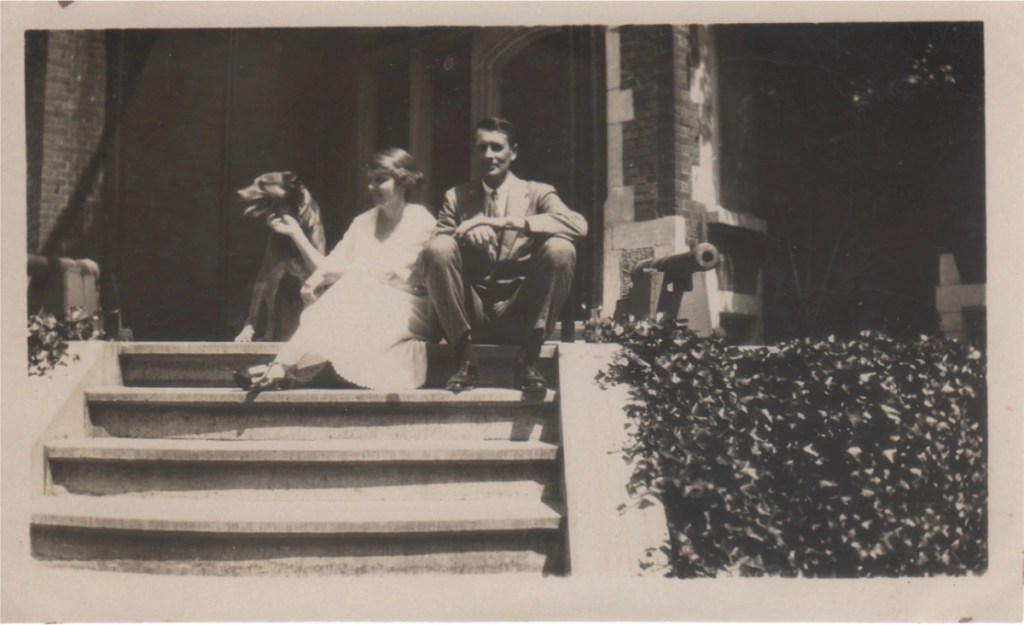
Rachel and Russell at the Percy Cottesloe family residence
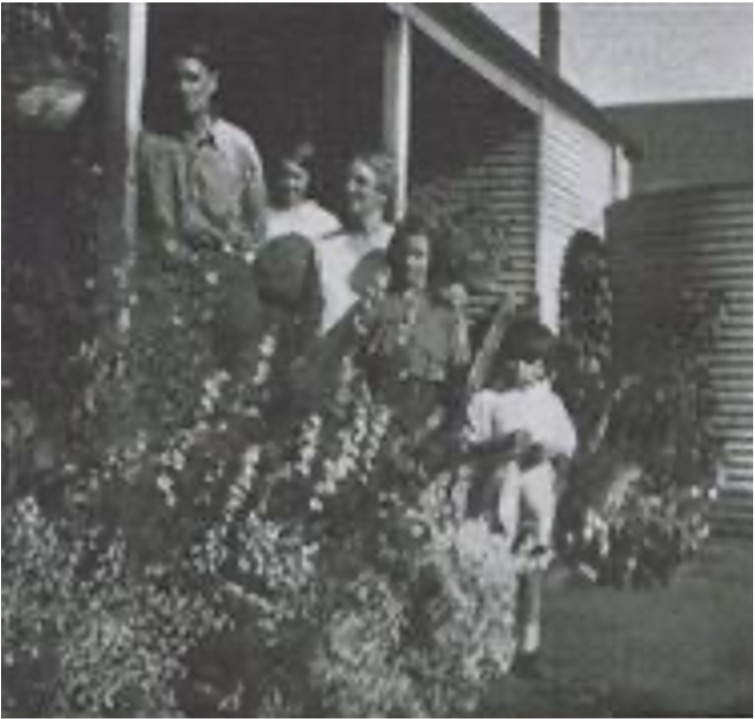
Life at Boodanoo
Back at Boodanoo, cash to purchase household items was short so Rachel vigorously set to work making furniture. She converted imported soft wood petrol cases, two by four-gallon tins in each, and packing cases into wardrobes and tables. These were attractively decorated with chintzes and paint.
Russell and Rachel’s Children
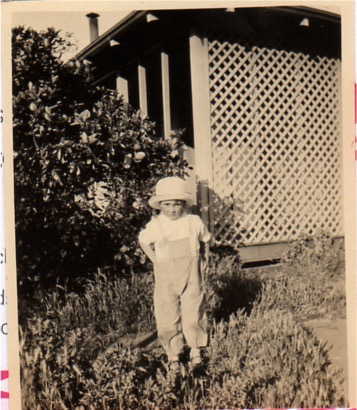
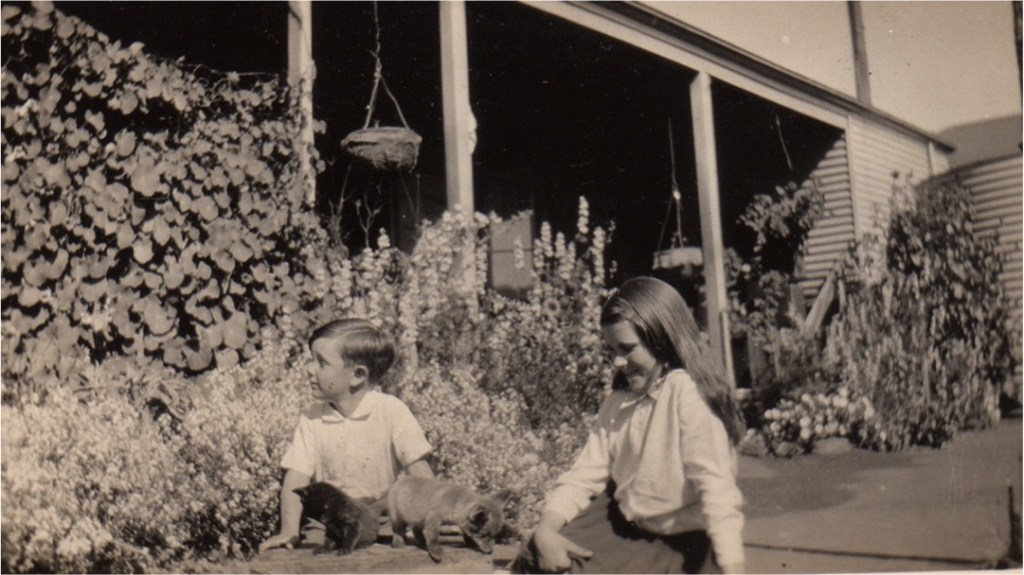
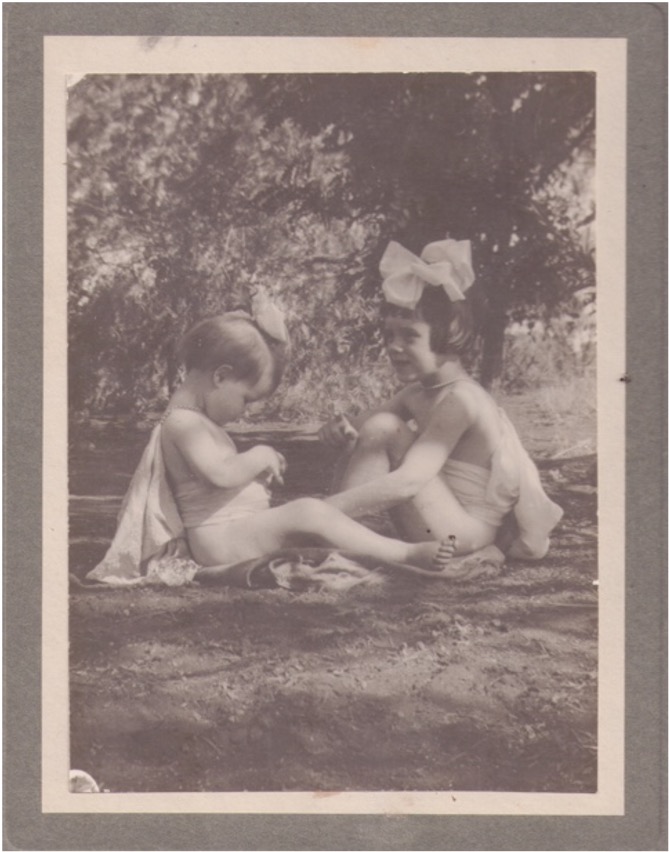
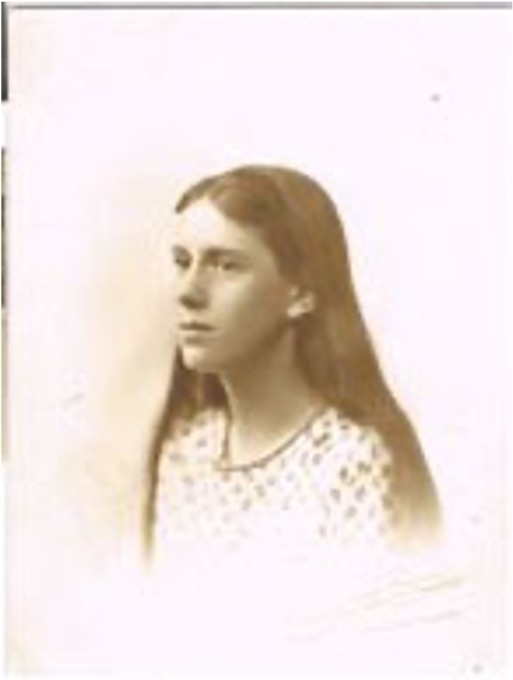
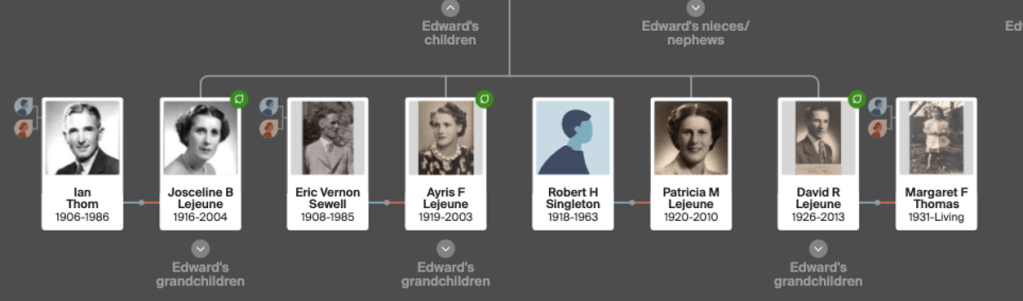
Four children were born over 10 years. Josceline Beatrice was born on the 16th September 1916, Ayris Francesca on the 14th January 1919 and Patricia Mary on the 10th June 1920. The three girls were all born in Geraldton and David Russell was born six years later on the 1st June, 1926 in Perth.
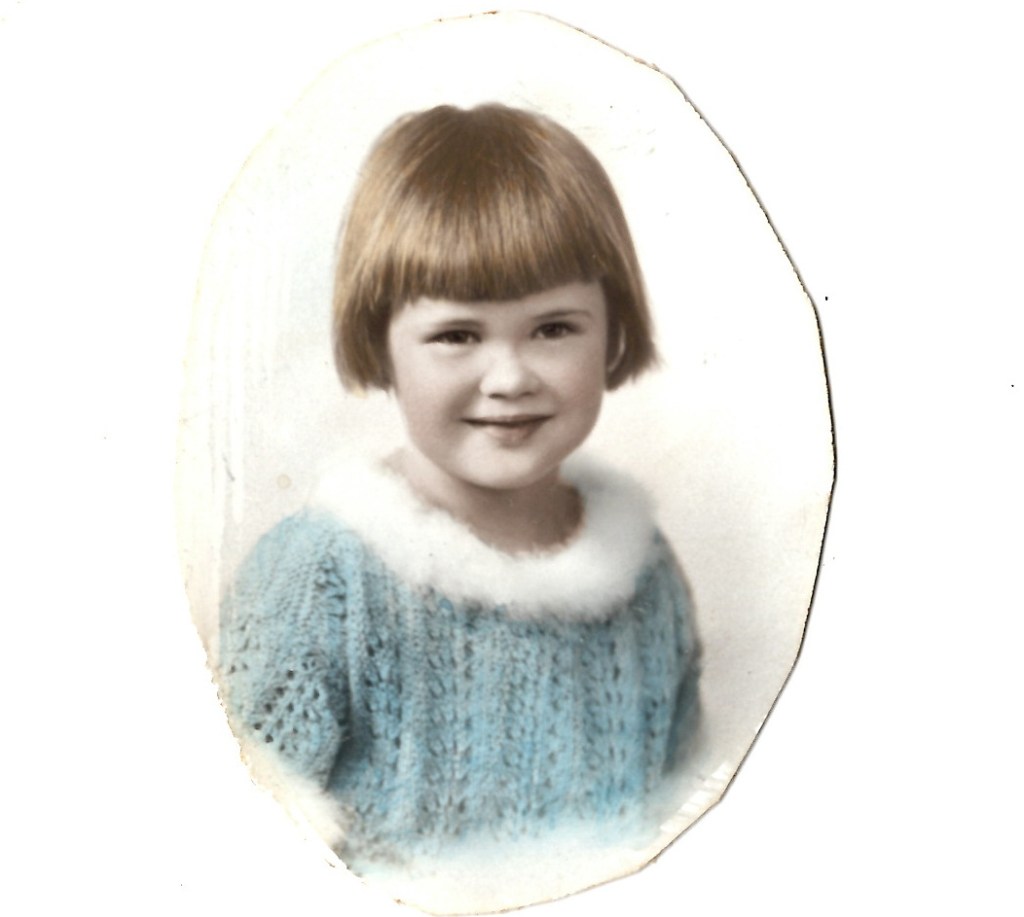
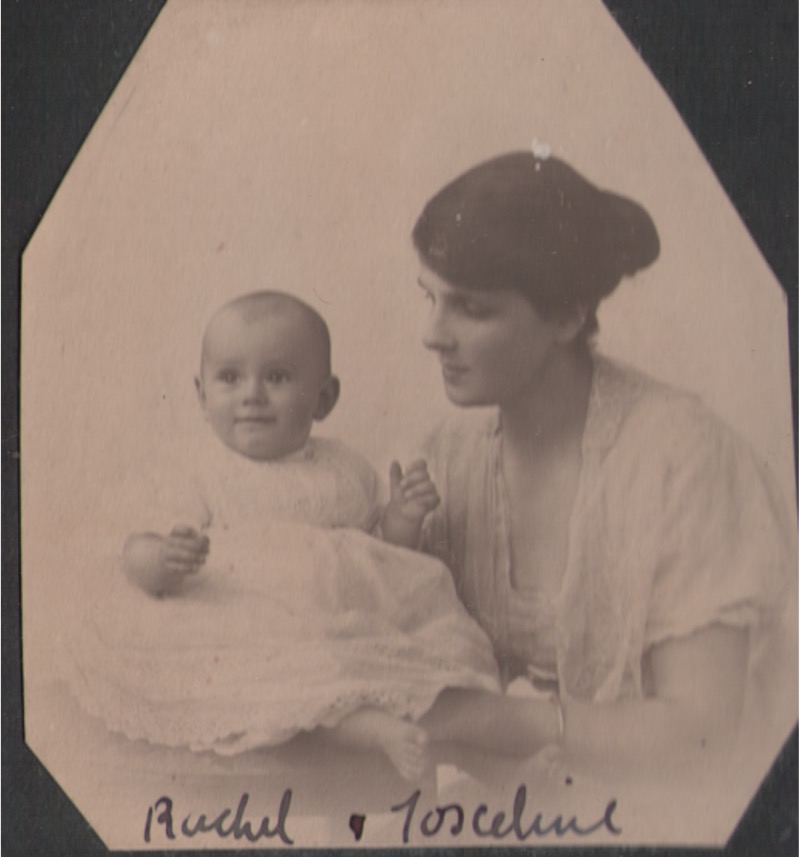
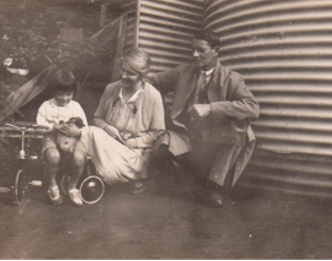
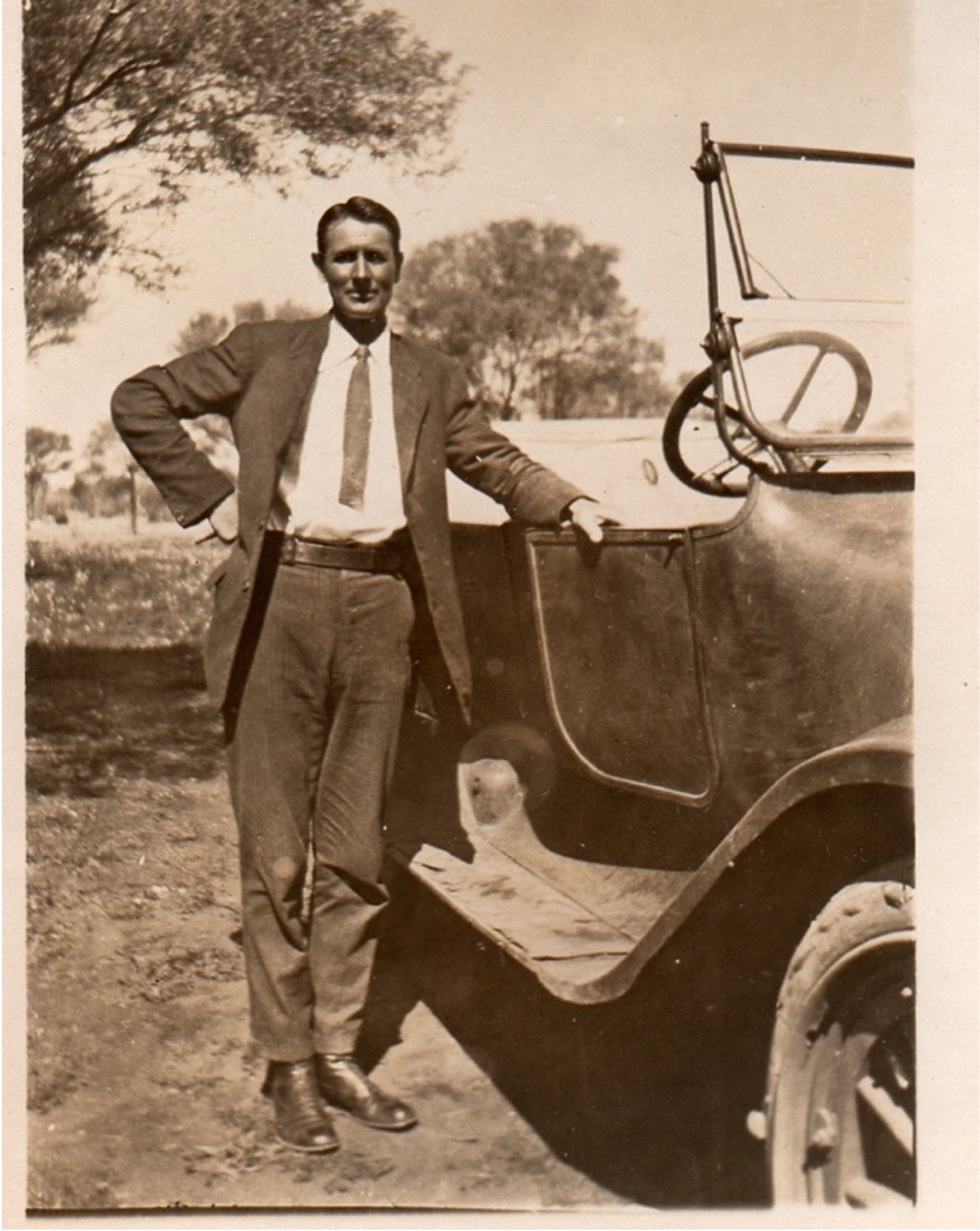
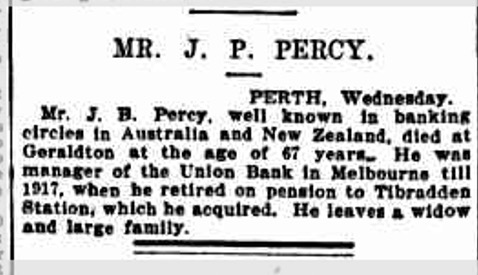
J.B Percy notice of death, 17th March 1924
A Trip Back to the UK
In 1924 Russell and Rachel made the long trip back to visit family in the UK. They were away for almost five months. Seven-year-old Josceline accompanied her parents and younger siblings Ayris and Patricia remained at Tibradden under the care of grandmother Bessie. Bessie’s husband J.B Percy had died in early 1924. Russell and Rachel’s son David wasn’t born until 1926.
In Thank You For Having Me C.A. Lejeune writes (P.103) “One of my happiest remembrances of Mother (Jane Louisa) is the day when we drove her to Southhampton to meet the boat that was bringing my brother Russell back from Australia for his first visit in nearly twenty years. It was sometime in late spring, in the year of the Wembley Exhibition. We picked Mother up at Chelsea soon after daybreak on a fine, misty morning. Nothing was on the roads at that early hour except a number of scurrying rabbits and a few wild ponies in the new forest. I dozed all the way down, but Mother (who almost certainly hadn’t slept a wink the night before, for Russell was her favourite child) was wide awake in the back seat, and ready to eat a hearty breakfast at Southampton.”
Josceline remembered having her eighth birthday while they were away. “We got to England via boat, we went round via the cape. The boat left from Fremantle. All the liners came in there. There was only a small port at Geraldton which couldn’t accommodate any big ships. I remember being dressed by a steward for a fancy dress ball as “Topsy” from a dress made from a sugar bag I presume.”
Josceline said,
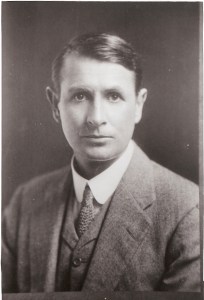
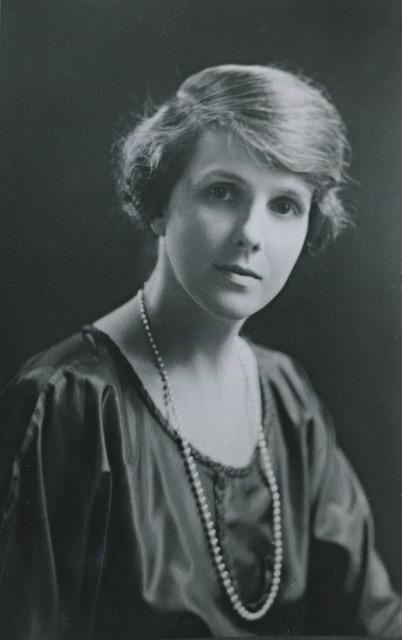
“I remember my grandmother (Jane Louisa) very well and spent a lot of time with her. She was a fantastic person, so tiny, but she had a tremendous character. She was one of the early suffragettes. In spite of a very large family, she used to go by train from Manchester to London to march with the Suffragettes. She was a lady of very strong principle.
I think possibly her husband my grandfather born, and brought up in Germany, would have had very different ideas about a woman’s place in the home. But she apparently did as she wished and that was that.”
Boodanoo South
In 1929 a three-bedroom house and shearing shed were built at the south end, 38 kms away, and Jimmy James and his wife were installed as overseers. In a circuitous manner a telephone line connected the two ends, using the top wire of four wire fences. It was reasonable when dry, but rain shorted it down the wet posts making it useless.
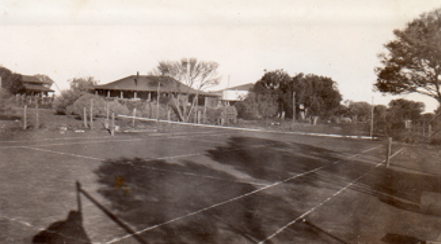
At Boodanoo North, Rachel according to her son, David, insisted on an attractive garden. There was a well, windmill and overhead tank to maintain reliable water. This was used to maintain a garden that included most of the vegetables the family needed and an orange and other shady trees. About 1,800 metres from the house was a mill that watered several paddocks. Lucerne (or for North American readers “alfalfa”) was grown for feed for the horses and cows.
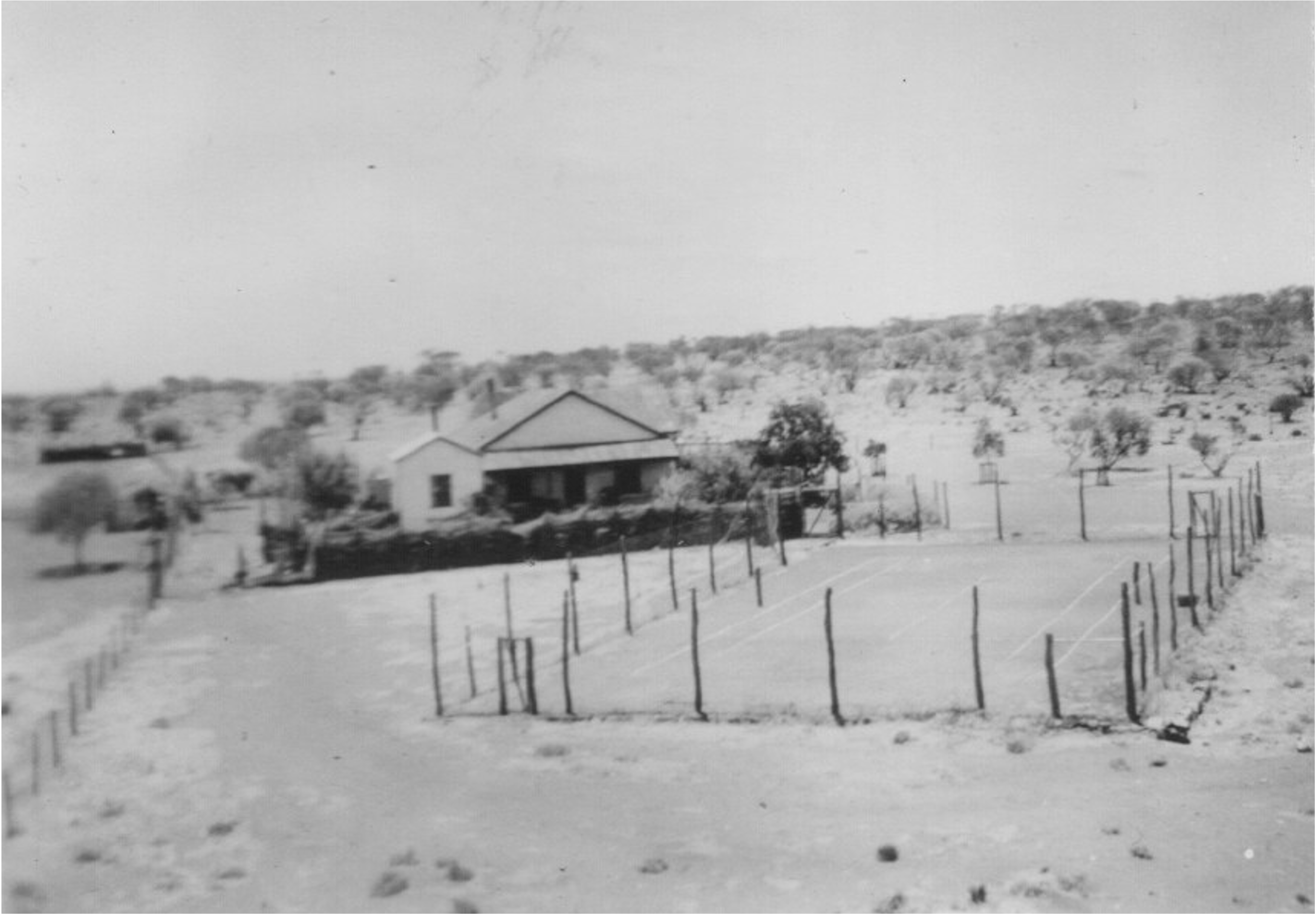

A tennis court was made from ground down termite mounds. Russell and Rachel pictured above in the garden.
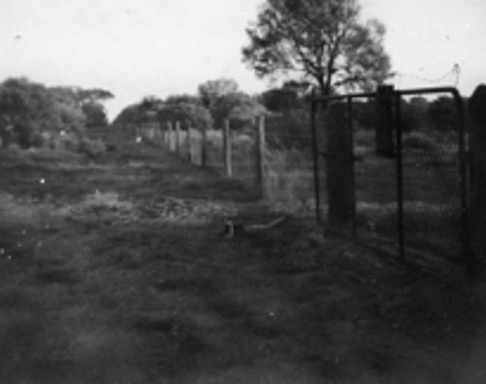
Murder on the Rabbit Proof Fence – In 1930 Boodanoo station was linked to the murder of Louis Carron, who was employed as inspector of the Rabbit Proof Fence between the south coast and Broome. Evidence of Carron’s remains were found at a campsite on Boodanoo South. Russell had apparently mentioned to others that he had seen something suspicious near the boundary of the property and he was expected to be an important Crown witness in the trial of Snowy Rowles. For more on this intrigue read Murder on the Rabbit Proof Fence: The strange case of Arthur Upfield and Snowy Rowles by Terry Walker.

The Death of Russell
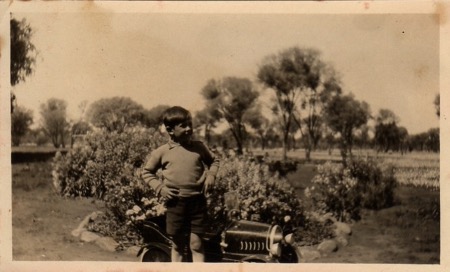
1931 – On the 29th of May 1931, a very young David recalled his father discussing with his mother the need to make a trip to a certain windmill. Would they go am or pm? She chose pm. They drove there with David and his older sister Pat (Ayris was at home running a bath for her father and Josceline was away in Perth at boarding school). After checking the water at two windmills they saw a shooter skinning a kangaroo. This was during the Depression and two brothers from a poor farming family had been granted permission to shoot, provided they hand over any blue skins to make a rug. Patricia, David and Russell gathered round one of the brothers who was skinning the roo. Rachel remained in the car. There were several shots and Russell fell on this back with a bullet wound through the head. The shooter was some distance away. It is unclear if a kangaroo was hit by the 303 bullet or if it ricocheted. In any case death was immediate. An inquiry was held and Russell’s death was determined to be an accident. Three days after his father’s death David turned five. He recalled being overjoyed by the possession of a red pedal car which had been hidden by his parents in the lead up to his birthday. The enormity of his father’s death was yet to be understood.
Russell was 45 when he died. He is buried in the Mt Magnet cemetery.
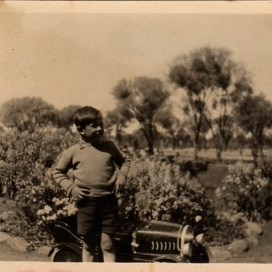
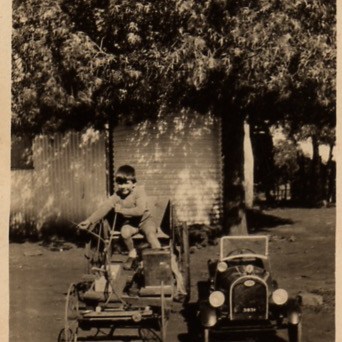
David with the pedal car his father had bought for his 5th birthday.
Life after Russell’s Death
After Russell’s death Rachel, with the support of her three daughters took a more active role in the running of Boodanoo. Josceline, Ayris and Patricia all spent time at boarding school in Perth. When Josceline left Perth College on passing her Junior Certificate she taught David via correspondence until he went to boarding school at the age of nine. Ayris and Pat were very active with the station work. The up until then silent partner “Uncle” Vernon Sewell made regular visits to assist with the running of the business.
Author: Francesca Rachel Lejeune (daughter of David Lejeune)
References:

Thank You For Having Me, C.A.Lejeune
Murchison Memories, David Russell Lejeune
Drawn to Mt Magnet, Lorna Day and Karen Morrisey


Welcome to the Yamaji Drive Trail Map
whatsanswer.com/map/map-of-western-australia-political-geography-outline-and-cities-map/
https://museum.wa.gov.au/welcomewalls/names/heal-charles-sarah
https://e.wikipedia.org/wiki/Tibradden_Station
https://en.wikipedia.org/wiki/Murchison_Murders
https://anzacportal.dva.gov.au/wars-and-missions/ww1/politics/conscription

Oral History Interview Part One: Josceline (Lejeune) Thom recorded early 1990's by Francesca Lejeune
 The Marion Project - A Family History